
This ketogenic diet guide explains the basics: a very low-carbohydrate, high-fat way of eating that aims to push the body into ketosis, where it runs on fat and ketones instead of glucose.
The guide covers how ketosis works, the numbers behind the diet, what people eat, the known risks and where to read next, with a dedicated page for each variation.
What the ketogenic diet is
A review of ketogenic diets and chronic disease describes the term as a diet that is very low in carbohydrate, modest in protein, and high in fat. The aim is ketosis, in which the body produces ketone bodies that serve as an alternative energy source for cells that cannot burn fatty acids directly.
The strictest version is the classic ketogenic diet used in medical settings, which uses a 4:1 or 3:1 ratio, by weight, of dietary fat to combined protein and carbohydrate. Most people who search for keto are not following that medical protocol. They follow a looser everyday plan that cuts carbohydrate sharply, leans on fat and keeps protein moderate.
It also differs from other low-carb eating. Harvard Health explains that, unlike other low-carb diets that focus on protein, a keto plan centers on fat, which supplies as much as 90% of daily calories. Plans such as Atkins and Paleo are described there as modifications of a true keto diet, and the comparison of keto vs atkins shows where the two part ways.
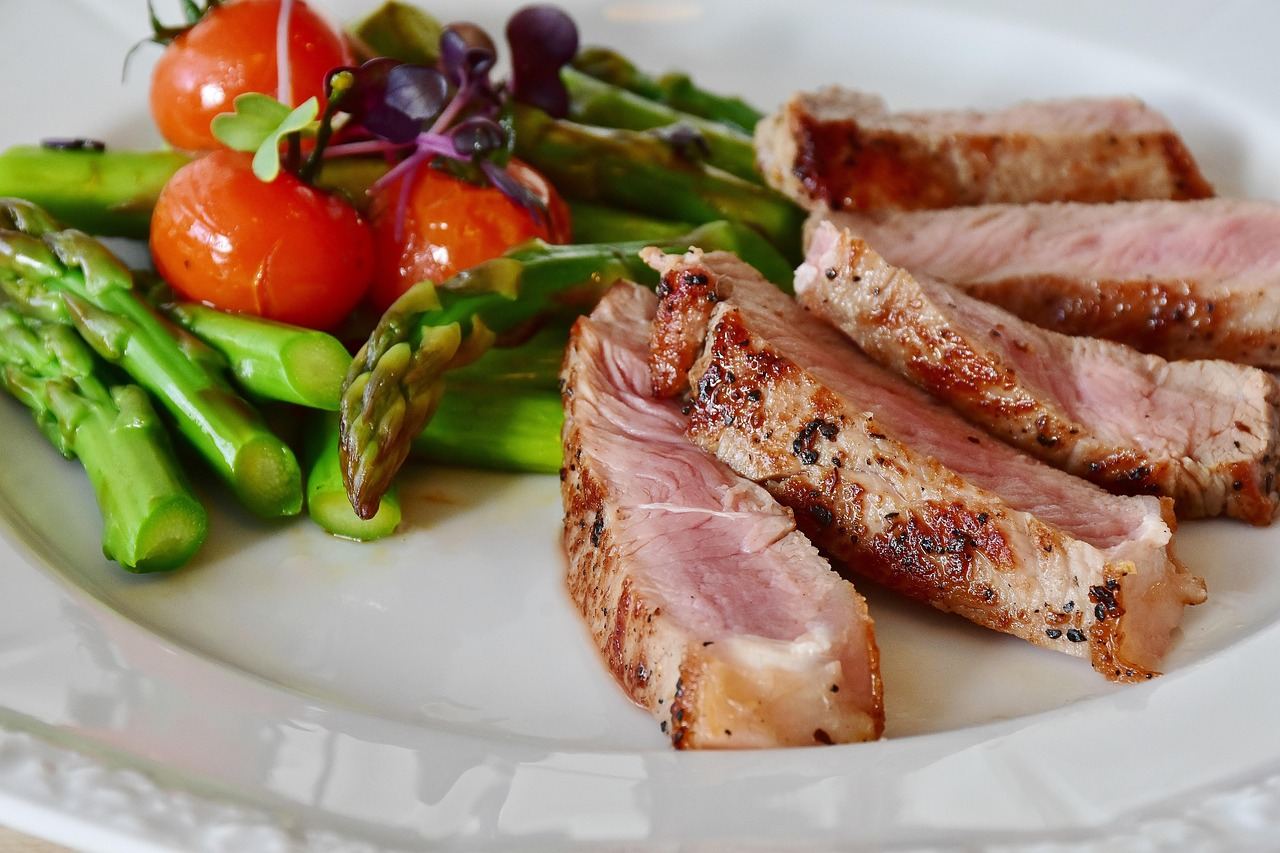
The idea is simple to state and harder to live with. Most everyday foods contain carbohydrate, so the diet works by removing the largest sources, such as bread, cereal and other grains, and rebuilding meals around meats and fish, eggs, cheese, oils and low-carbohydrate vegetables. Everything else in this guide follows from that single change.
How ketosis works
Cleveland Clinic defines ketosis as a metabolic state that occurs when the body burns fat for energy instead of glucose. Normally glucose from carbohydrate is the key fuel. When carbohydrate intake is very low, the stored glucose drains down, the body breaks down fat and the liver produces compounds called ketones. Cleveland Clinic explains the hormonal side too: when glucose falls, insulin falls, and that causes the liver to ramp up ketone production so it can provide enough energy for the brain. Those ketone bodies become the main source of energy for the body and the brain.
The fuel for ketones can come from two places. Cleveland Clinic says the fat the body uses to create ketones may come from the diet, which is nutritional ketosis, or from the body’s own fat stores. The liver also produces a small amount of ketones on its own, so having some ketones in the blood is normal; what the diet changes is how many, and for how long.
Ketosis is not the same as diabetic ketoacidosis. Cleveland Clinic calls them two very different things: in ketosis there are ketones in the blood but not enough to turn it acidic, while ketoacidosis is a life-threatening condition that affects people with diabetes and needs immediate medical attention.
The time it takes varies. According to Cleveland Clinic, eating between 20 and 50 grams of carbohydrate a day will usually take two to four days to reach ketosis, and it may take a week or longer depending on age, carbohydrate, fat and protein intake, activity level, metabolism, sleep and stress. Cleveland Clinic adds that a person who ate a high-carb diet before starting may take longer to reach ketosis than someone who already ate low-carb, because the body has to use up its glucose stores first. Harvard Health puts the timing more loosely as a few days.
Two practical points follow. First, protein is not a free pass: Harvard Health notes that eating too much protein can interfere with ketosis, which is why keto plans keep protein moderate instead of raising it to replace the carbohydrate. Second, timing of meals can matter, since Cleveland Clinic says intermittent fasting may help a person get into ketosis faster, a topic covered in intermittent fasting with keto.
Signs that the process is under way are covered in the page on signs of ketosis, and the first stretch is mapped out in the keto induction phase guide.
The numbers: carbs, fat and protein
Sources do not agree on a single carbohydrate ceiling, because the amount that keeps a person in ketosis varies from one person to the next. The table gathers the figures quoted by the two main references used on this page.
| Measure | Figure |
|---|---|
| Standard keto fat share of calories | 70% to 80% |
| Standard keto protein share of calories | 10% to 20% |
| Standard keto carbohydrate share of calories | 5% to 10% |
| Daily carbohydrate ceiling in most studies | under 50 g per day |
| Range often quoted for reaching ketosis | 20 to 50 grams per day |
| Recommended dietary allowance, below which a diet counts as low-carbohydrate | 130 g per day |
The macronutrient split comes from Cleveland Clinic’s ketosis overview, and the gram figures come from the ketogenic diets and chronic disease review.
The same review explains why a diet that merely counts as low-carbohydrate may not be enough: carbohydrate intake below the recommended dietary allowance of 130 g/day qualifies as low-carbohydrate, but that level may not be low enough to induce ketosis. Harvard Health puts the keto requirement at fewer than 20 to 50 grams of carbs per day and gives a sense of scale, noting that a medium-sized banana has about 27 grams of carbs. A single piece of fruit can therefore use up most of a strict day.
Harvard Health also sketches a sample day. On 2,000 calories, a keto plan might look like 165 grams of fat, 40 grams of carbs and 75 grams of protein, though the exact ratio depends on the person.
Counting is easier with net carbs. The Atkins site defines net carbs as total carb grams less fiber grams. Labels need reading carefully: the same brand explains that zero carbs on a label does not mean free of carbs, because manufacturers may round off a product with fewer than 0.5 grams of a carbohydrate, so it shows up as zero. Added up over a day, those small amounts can matter on a plan with a ceiling this low. The page on the daily carb limit for ketosis goes further into why the cut-off differs from person to person.
What people eat on keto
Carbohydrates from every source are restricted, as Cleveland Clinic notes, so bread, cereal and other grains come out of the day and fruit and vegetables are cut seriously. Fat sources it lists include meats and fish, eggs, nuts and seeds, butter and cream, cheese, and oils such as olive oil.
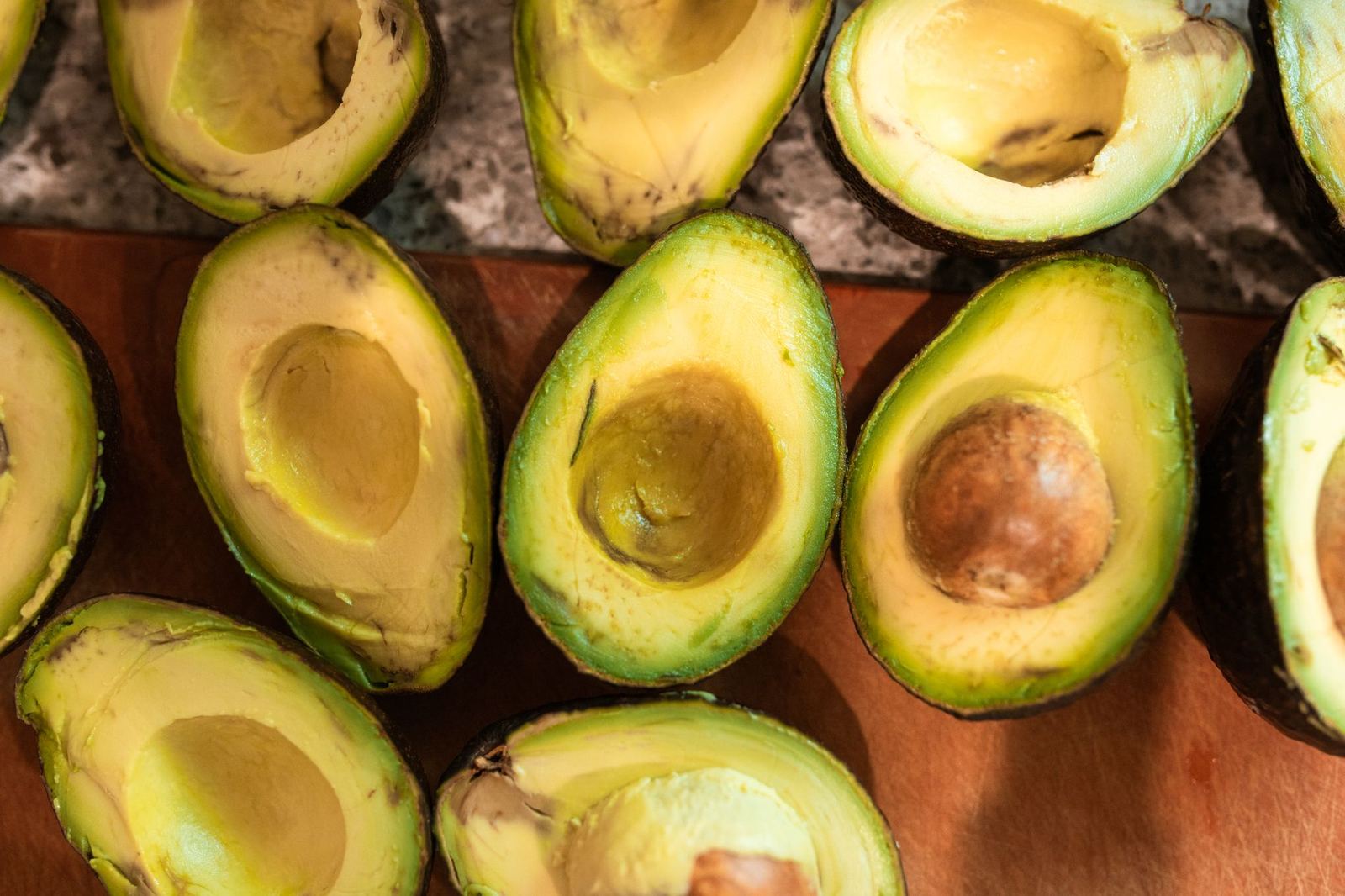
Vegetables are narrowed down. Harvard Health lists leafy greens such as kale, Swiss chard and spinach, along with cauliflower, broccoli, Brussels sprouts, asparagus and similar low-carbohydrate choices, and observes that a cup of chopped broccoli has about six carbs. Fruit is mostly out, apart from small portions of certain fruits, usually berries. Unsaturated fats such as nuts, seeds, avocados and olive oil are allowed, and Harvard Health points out that saturated fats from oils, lard, butter and cocoa butter are encouraged in high amounts on many versions of the plan, which is where the heart-health debate starts.
Fiber is the quiet casualty. Cleveland Clinic reports that experts recommend adults consume 25 to 30 grams of fiber every day and that most people get half that amount, and it notes that animal products have no fiber. Because a keto plan leans on animal foods and removes grains and legumes, the review of ketogenic diets observes that they are typically low in fiber. Choosing vegetables from the permitted list, and varying them, is the usual way to narrow the gap.
The weekly shop is where the diet is won or lost, which is why the keto shopping list covers what to buy and what to skip, aisle by aisle.
Variations and related approaches
Keto is a family of habits more than a single plan. The strict approach counts every gram. Others loosen the rules, and each has its own trade-offs.
- The relaxed version that tracks only carbohydrate is covered in what is lazy keto.
- The version that cares about carbohydrate numbers but not food quality is explained in what is dirty keto.
- The structured start, with tighter limits for the opening stretch, is the keto induction phase.
- Pairing keto with timed eating windows is the subject of the intermittent fasting with keto page.
Each of those pages sets out the rules and the trade-offs in detail, so a reader choosing between them can compare like with like. The decision usually comes down to how much tracking a person is willing to do and how much risk of drifting out of ketosis is acceptable.
Whichever route a person takes, the same principle applies: the lower and steadier the carbohydrate intake, the more reliably ketosis is maintained, and the more a plan relaxes, the less certain it is that the body stays in that state.
Medical versions sit at the far end. The classic ratio diet is used for drug-resistant epilepsy under supervision, and everyday versions borrow its logic without its oversight. That difference matters when reading studies, since results from a supervised clinical protocol do not automatically transfer to a casual home version.
Benefits, risks and who should check first
The evidence on weight is mixed. The review of ketogenic diets describes a 2020 meta-analysis of 38 studies and 6,499 participants in which low-carbohydrate diets led to a small weight loss compared with low-fat diets, a mean difference of 1.30 kg. The review also states that, in controlled trials, low-carbohydrate diets appear no more effective than other diets that similarly restrict calories. Cleveland Clinic adds that ketosis can help a person feel less hungry, which may lead to eating less food, and that may explain part of the short-term effect.
Why the diet might curb appetite is still a hypothesis. The review of ketogenic diets notes that, because ketosis occurs on both very-low-energy diets and keto diets, it is speculated that ketosis itself may decrease hunger. It also describes a 2021 trial in which people ate freely on each diet and consumed 689 kcal per day less on a low-fat plant-based diet than on an animal-based ketogenic one, a reminder that the best diet on paper is the one a person can follow and that keto is not automatically the lower-calorie choice.
Early results can mislead. In a metabolic ward study described in the same review, weight loss accelerated for 2 weeks after participants switched to the ketogenic diet, but fat loss slowed, so the early drop on the scale was not all fat. Harvard Health suggests that if the diet is used for weight loss at all, it is best treated as a short-term change to jump start weight reduction, and warns that once a person resumes a normal diet, the weight will likely return.
The strongest medical use is neurological. The review reports that some one-third to one-half of people with drug-resistant epilepsy can reduce seizure frequency by at least 50% with a ketogenic diet, and that use is medically supervised.
Side effects are common at the start. The review describes a temporary cluster of symptoms often called the keto flu: headache, fatigue, nausea, dizziness and brain fog, along with gastrointestinal discomfort. Cleveland Clinic lists keto breath and constipation among the side effects and says the diet can be difficult to follow. Harvard Health adds that the diet is low in fibrous foods, that a narrow food list can leave gaps in micronutrients, and that the high saturated fat content is linked to higher LDL cholesterol; it cites a recommendation to keep saturated fat to no more than 7% of daily calories. The review notes that LDL-C can rise, sometimes dramatically, and that these diets have low long-term tolerability and are not sustainable for many individuals.
The brain and mood get a mention as well. Harvard Health warns that low-carb diets may cause confusion and irritability, since the brain works best on sugar from healthy carbohydrates. Cleveland Clinic lists insomnia, dehydration, low bone density and bone fractures, high cholesterol and kidney stones among possible effects, and the review of ketogenic diets lists decreased bone mineral density among the longer-term effects.
Harvard Health also says the diet could make any existing liver conditions worse, and that the kidneys help metabolize protein, so a high-protein version may overload them. Because of this, people with diabetes, kidney disease or liver conditions, anyone who is pregnant and anyone on medication should talk to a doctor and a registered dietitian before changing their diet, as Harvard Health advises. The full list of upsides and downsides sits in the guide to keto diet pros and cons.
Putting it into practice
None of this means the diet cannot be done sensibly. It means going in with an accurate picture: what the numbers are, what the early weeks feel like, which foods fill the gap and which risks deserve a conversation with a professional before starting rather than after.
A workable start has three parts. First, learn the carbohydrate content of everyday foods by reading labels and checking food databases, since the usual surprises are in sauces, drinks and anything marketed as low-fat. Second, plan the plate around protein and low-carbohydrate vegetables, then add fat for flavor and fullness rather than leaving it to chance. Third, expect a bumpy first week: fatigue and headaches are common, and the page on the keto induction phase explains what that stretch usually involves.
Restaurants are the next hurdle. Menus hide bread, breading and sugar in places that are easy to miss, and the notes on eating out on keto show how to order around them.

Results are easier to judge when they are measured. Ketone levels can be checked, and the page on signs of ketosis compares the approaches. If a plan feels unsustainable, a gentler version is a legitimate choice, and the trade-offs are worth weighing before the next step.
Frequently asked questions
How many carbs a day does a ketogenic diet allow?
Harvard Health says fewer than 20 to 50 grams of carbs per day, and Cleveland Clinic says to stay under 50 grams to enter and stay in ketosis.
How long does it take to reach ketosis?
Cleveland Clinic says it will usually take two to four days at 20 to 50 grams of carbohydrate a day, though it may take a week or longer.
Is ketosis the same as ketoacidosis?
No. Cleveland Clinic calls them two very different things; ketoacidosis is a life-threatening condition that affects people with diabetes.
Does keto work better for weight loss than other diets?
In controlled trials the diet appears no more effective than other diets that similarly restrict calories, according to the review of ketogenic diets and chronic disease.
Can protein be unlimited on keto?
No. Harvard Health notes that eating too much protein can interfere with ketosis.