Eating out on keto is manageable when the order centers on grilled protein, non-starchy vegetables and sauces on the side. The traps are breading, sweet glazes, starchy sides and free bread, all of which can use a day’s carbohydrate allowance quickly.
This page covers how to read a menu, what to ask the kitchen and which cuisines are easiest. For the underlying rules, see the ketogenic diet guide, and keep the daily limit in mind when choosing.
Know the limit before you sit down
Harvard’s Nutrition Source says the ketogenic diet typically reduces total carbohydrate intake to less than 50 grams a day, and it can be as low as 20 grams a day. A single restaurant meal can use much of that, so a little preparation pays off.
The CDC’s eating-out guidance for people managing diet suggests to decide what you’re going to order before you go. Many restaurants publish menus and nutrition details online, which makes it easy to pick the main dish at home rather than under the pressure of a hungry table.
The same page recommends drinking a big glass of water as soon as you sit down and having something with fiber and protein beforehand, such as a small handful of nuts. Both steps reduce the pull of the bread basket.
What to order
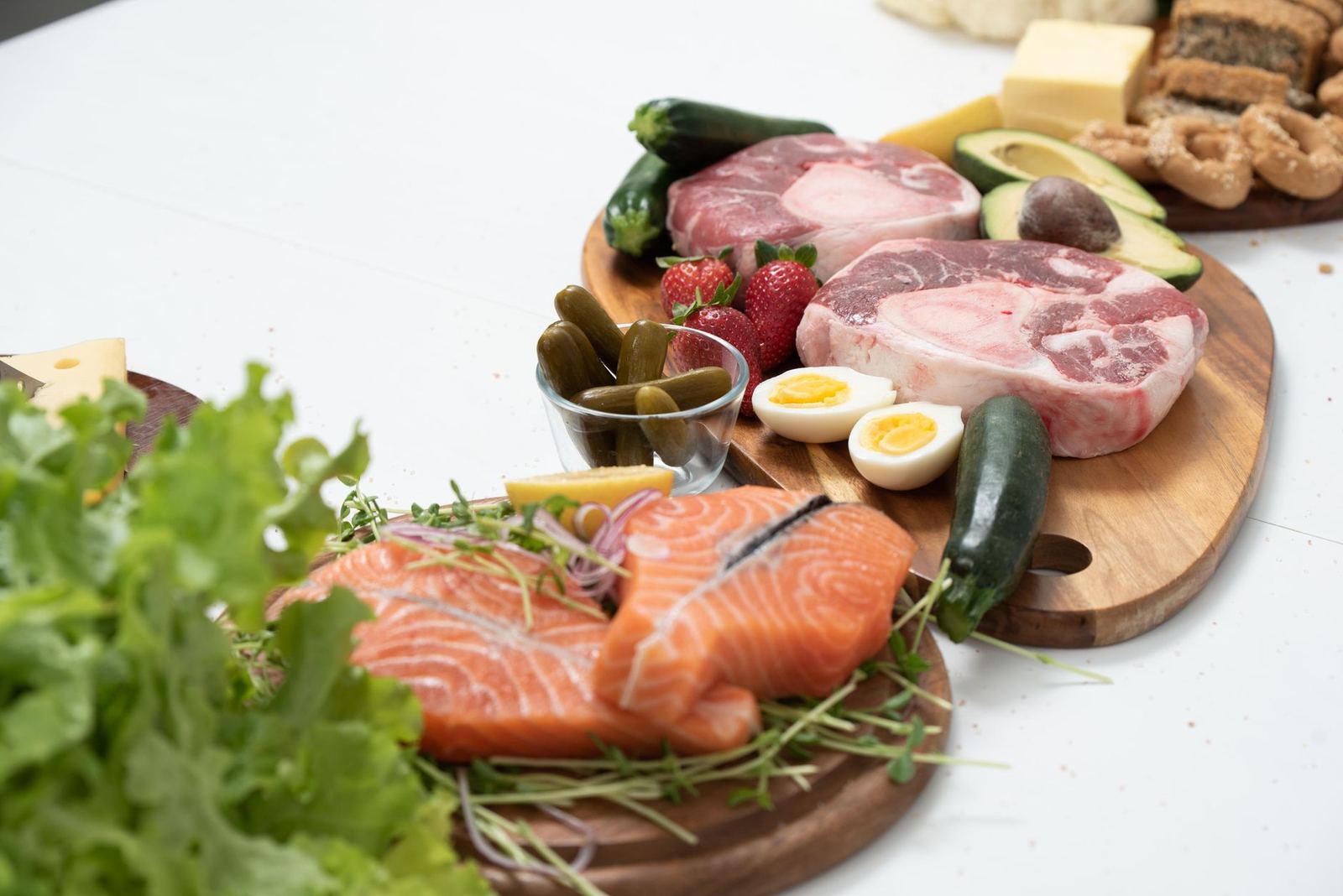
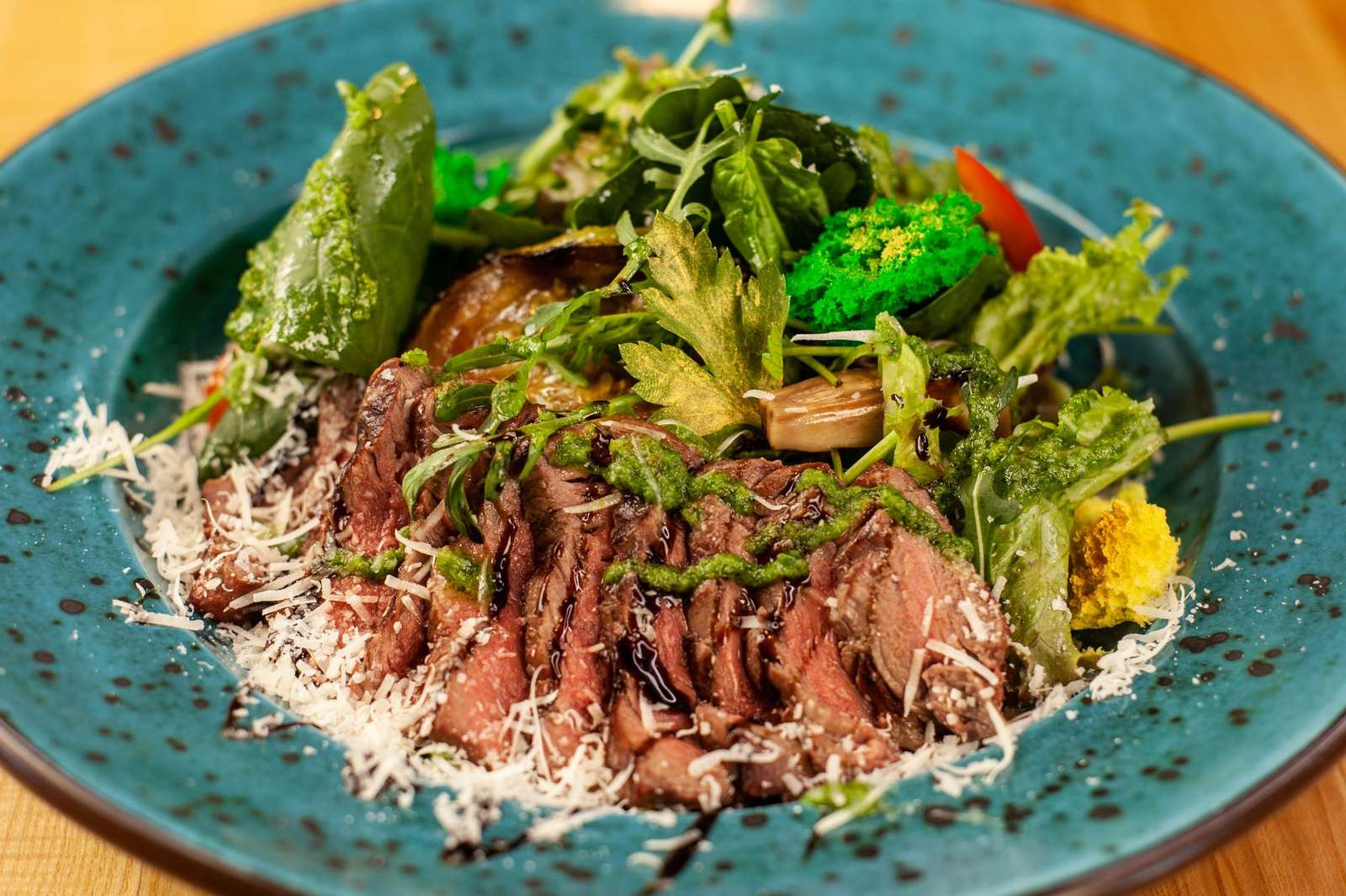
The simplest keto restaurant plate has three parts: a protein, a non-starchy vegetable and a fat-based sauce or dressing. The CDC advises choosing items that are baked, steamed, grilled, or broiled and limiting fried, breaded or creamy foods. Breading is flour, so a grilled chicken breast is a better fit than chicken fried or schnitzel-style.
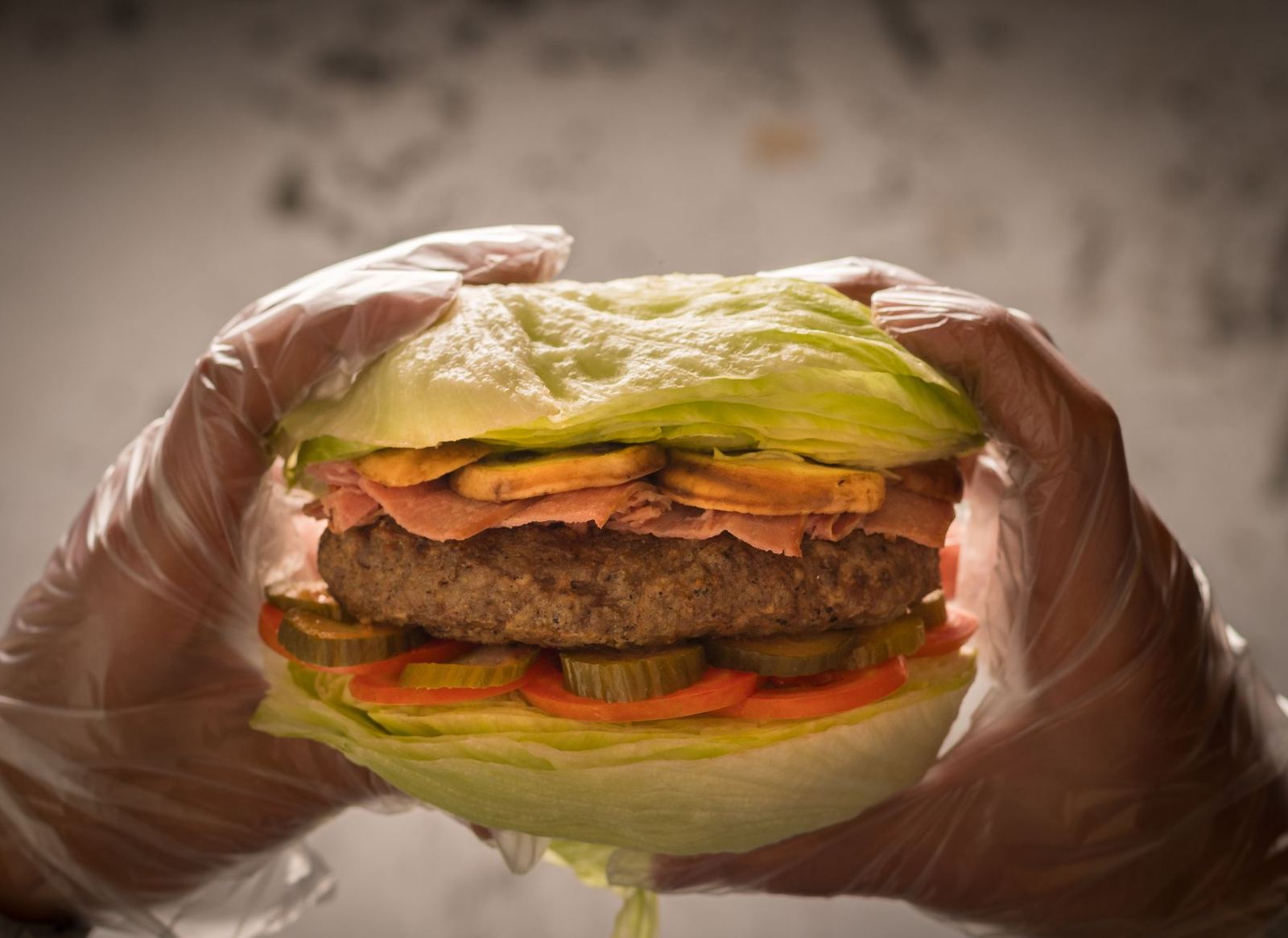
- Mains: grilled or roasted meat, fish, a burger without the bun, steak or eggs.
- Starters: a small salad, a broth-based soup or a meat and cheese plate. MedlinePlus suggests ordering a healthy appetizer rather than an entree if portions are large.
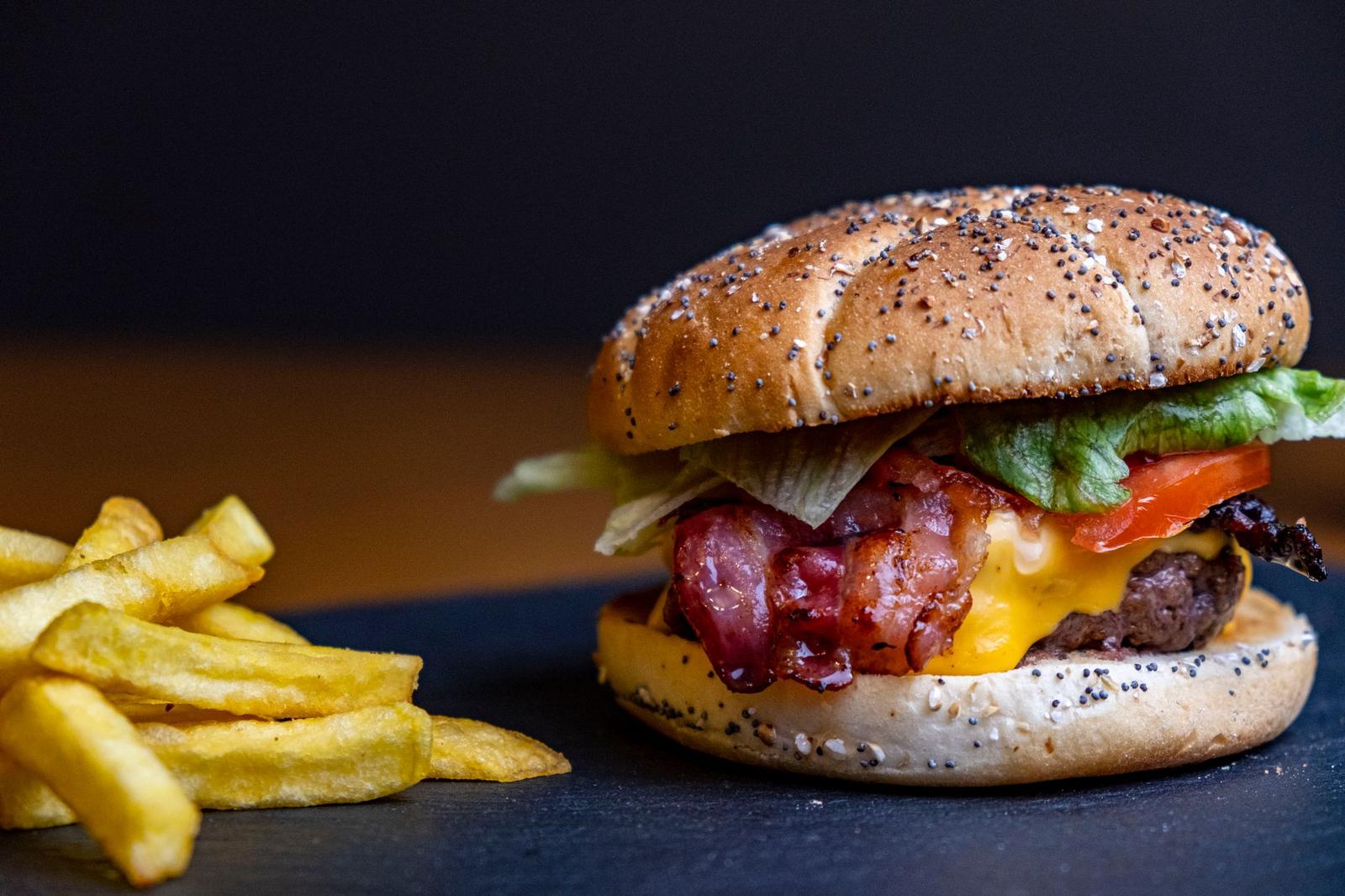
- Sides: MedlinePlus lists steamed vegetables and a salad instead of French fries, and the CDC suggests asking for veggies instead of fries.
- Condiments: MedlinePlus suggests mustard in place of mayonnaise-style or creamy dressings. On keto, olive oil and vinegar or a plain butter sauce are often easier to fit.
Harvard’s page notes that most non-starchy vegetables fit on a ketogenic diet, so broccoli, spinach, green beans and leafy salads can fill the plate.
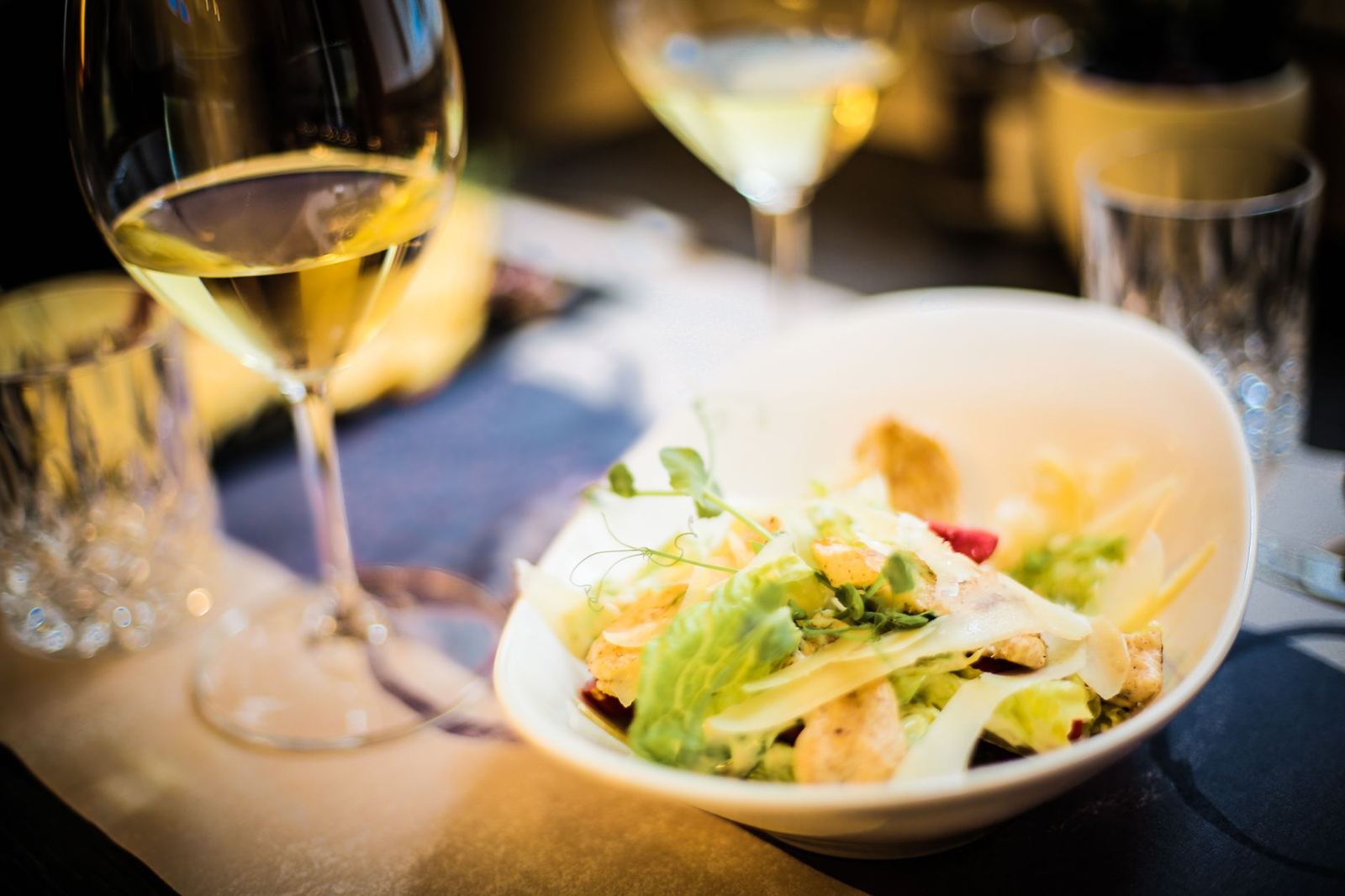
Hidden carbs in sauces, sides and drinks
Sugar often hides in sauces. The CDC says to limit dishes that have BBQ, glazed, sticky, honey, or teriyaki in their name, and those words are good warning signs on any menu. Cleveland Clinic makes the same point for sushi: sweeter sauces can be deceptively carb-heavy, and one small packet of sweet chili sauce contained the equivalent of almost two tablespoons of sugar.
The CDC also suggests ordering sauces, dressings and spreads on the side and using just enough for flavor, which gives control back to the diner. Ketchup, glazes and many bottled dressings can add carbohydrate without looking like it.
Drinks matter as well. MedlinePlus lists water, unsweetened tea and diet drinks as easier choices than sodas and juice-based cocktails. Plain sparkling water with lemon avoids the problem entirely.
Free bread and chips are the easiest carbohydrate to eat without thinking. MedlinePlus says you can ask the server to take these foods off the table, which removes the temptation.
Portions and ordering habits
Restaurant plates are generous. MedlinePlus notes that portion sizes at many restaurants are very large and suggests the lunch size rather than the dinner size. The CDC suggests to share the main dish or to eat only half and wrap up the rest for later.
On keto, a smaller portion matters less for fat and protein than for the starchy extras that arrive with the main course. Asking for the plate without rice, potatoes or pasta and doubling the vegetables is a routine request in most kitchens.
It also helps to say the request plainly and politely: no bun, no croutons, dressing on the side. Most servers handle these changes without difficulty, and kitchens can usually substitute a salad or a vegetable portion.
Cuisines that are easier or harder
Some cuisines fit better than others. Steakhouses, grills, seafood restaurants and many Mediterranean places are straightforward because the menu is organized around protein and vegetables. Breakfast diners can serve eggs, bacon and sausage without toast or hash browns.
Sushi needs care. Cleveland Clinic says a roll of sushi could be equal to consuming four pieces of bread because of the packed rice. Its low-carb suggestion is naruto rolls, which wrap fish or vegetables in cucumber instead of rice. Sashimi, which has no rice, is another option.
Italian, Mexican and Asian restaurants are harder because rice, noodles, tortillas and sweet sauces are central, although fajita fillings without tortillas, grilled fish and stir-fried meat with vegetables and no sauce can work. Fast-food chains usually allow a bunless burger or a grilled chicken salad.
The trade-offs of the diet as a whole are summarised in the keto diet pros and cons overview, and people comparing plans will find the keto vs atkins comparison useful for deciding how strict to be when dining out.
Anyone with diabetes, kidney disease or pregnancy, or who takes medication, should talk to a clinician before changing their diet, including how they eat when away from home.
A simple routine for any menu
A repeatable routine removes most of the guesswork, whatever the cuisine. It works in a chain restaurant, a hotel dining room or at a family gathering where the menu is fixed.
- Look at the menu in advance and pick the main dish before arriving.
- Order the protein grilled, baked or roasted rather than breaded or fried.
- Replace the starchy side with a second vegetable or a salad.
- Ask for every sauce and dressing on the side, and taste before pouring.
- Decline the bread basket, chips and sugary drinks, and choose water or unsweetened tea.
- Skip dessert or choose a small portion of cheese or berries, which fit most low-carb plans better than cake or ice cream.
Mistakes happen. A sauce turns out sweeter than expected, or a side arrives with potatoes after all. One slip at one meal does not end a plan, and the next meal can return to the usual limit. Consistency across the week matters more than perfection at any single table.
Frequently asked questions
Can I eat a burger on keto?
Yes, if the bun is removed. Ask for lettuce wrap or a plate with a side salad rather than fries, which the CDC and MedlinePlus both suggest swapping out.
Is salad dressing safe?
Often not. Creamy and sweet dressings can carry sugar, so ask for oil and vinegar or the dressing on the side, as the CDC advises for sauces and spreads.
What is the best low-carb sushi order?
Cleveland Clinic points to naruto rolls wrapped in cucumber instead of rice, and sashimi has no rice at all.
How do I avoid the bread basket?
Ask the server to take it away, drink water first and have a small handful of nuts or other fiber-and-protein food beforehand.