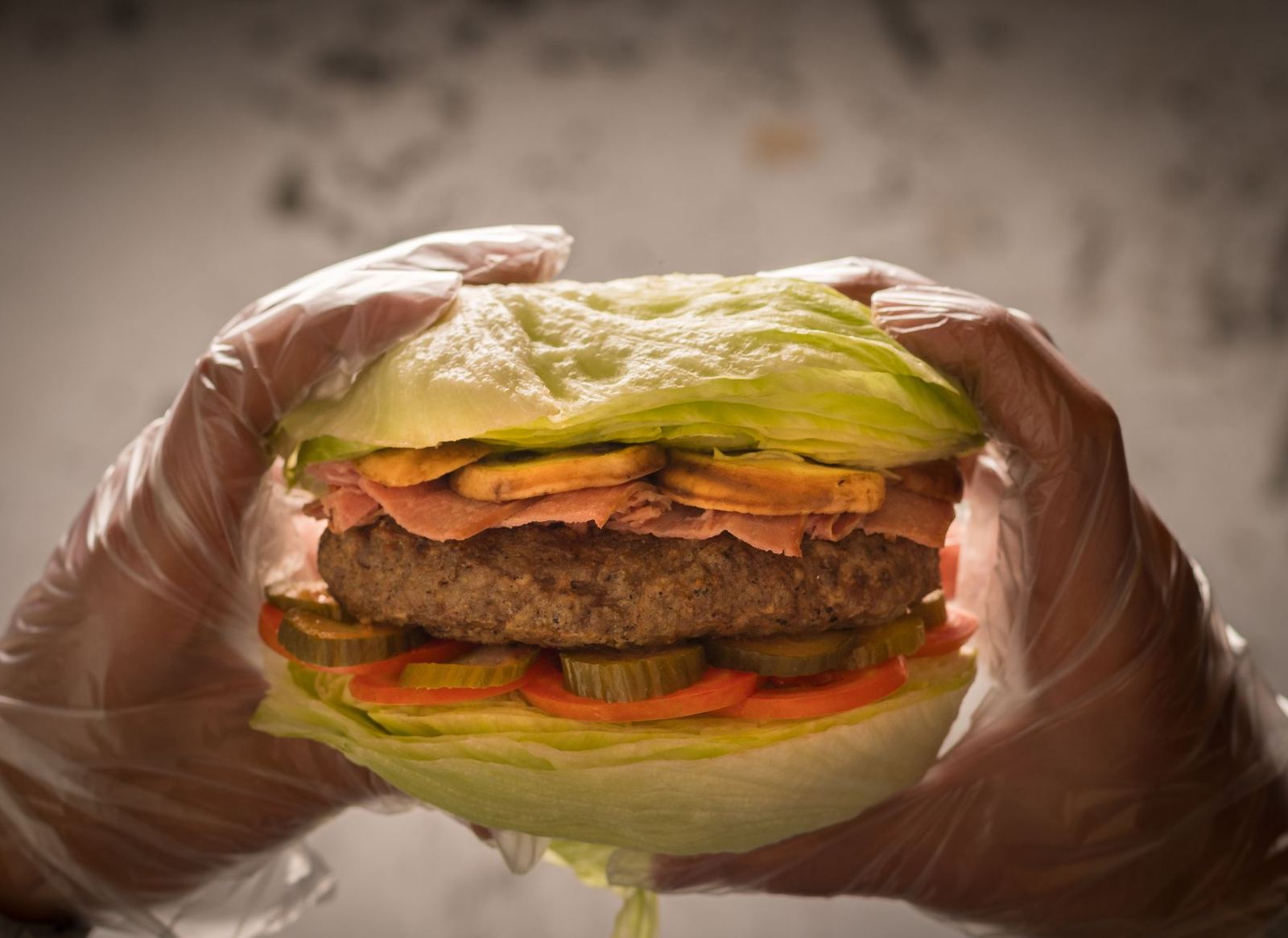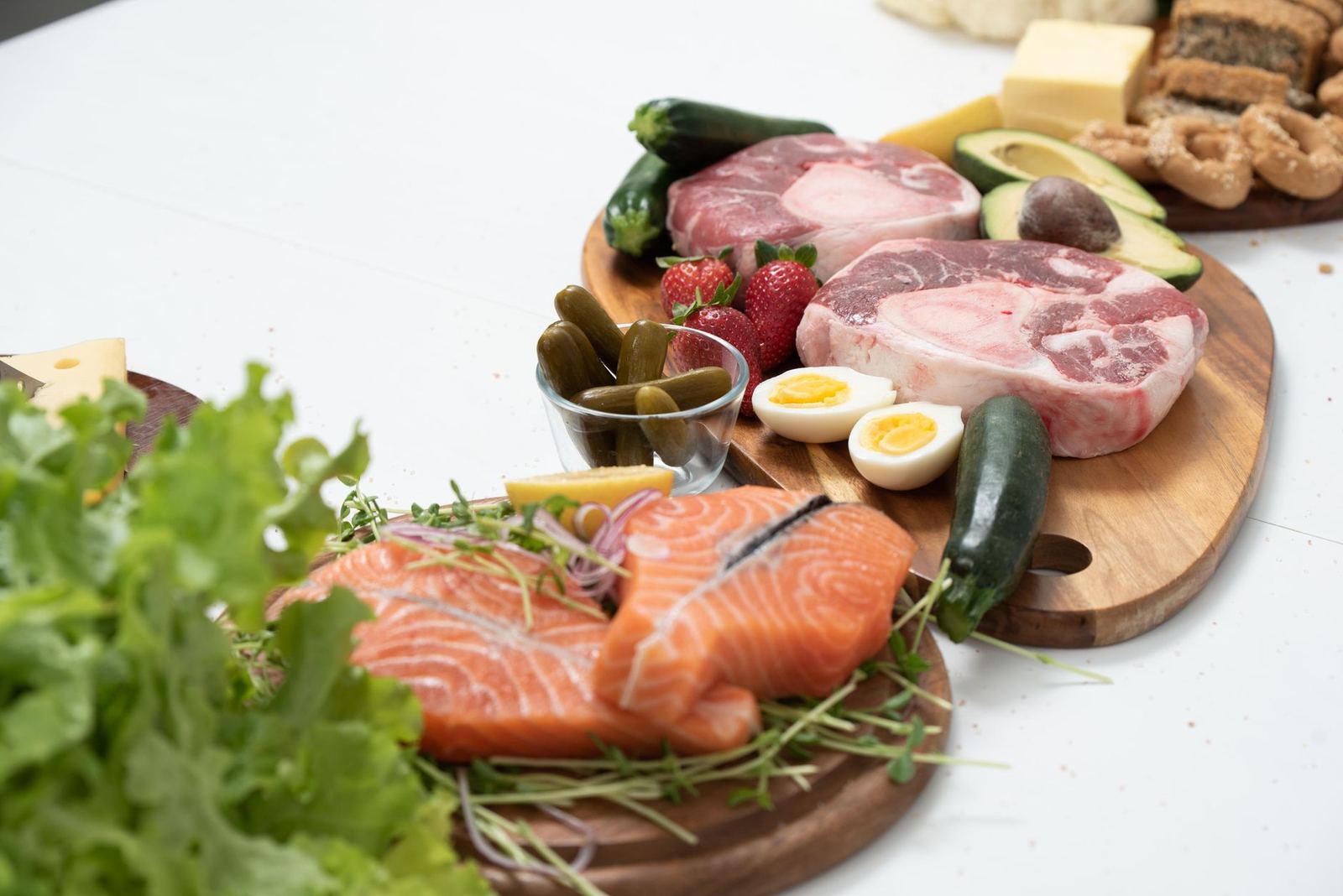
Keto vs atkins comes down to structure: keto is a general very low-carbohydrate, high-fat approach, while Atkins is a branded plan that moves through phases and adds carbohydrate back over time.
Both lower carbohydrate sharply and both can lead to ketosis, which is why people mix them up. This page lays out the differences, and the wider background sits in the ketogenic diet guide.
What each plan is
Harvard Health separates the two: a true keto plan centers on fat, which supplies as much as 90% of daily calories, while popular low-carb diets such as Atkins or Paleo modify a true keto diet. In other words, keto is the stricter metabolic target and Atkins is one commercial recipe for reaching a version of it.
Keto has no single owner. A review of ketogenic diets and chronic disease describes the strictest form, the classic ketogenic diet, as using a 4:1 or 3:1 ratio, by weight, of dietary fat to combined protein and carbohydrate. Everyday keto plans are looser than that, and each author sets their own rules.
Atkins is a defined program with its own site, food lists and named plans. The Atkins site now offers three guides built around different daily net carbohydrate targets, and it notes that a person can begin Atkins at any of the four phases rather than always starting at the strictest one. That phased design is the clearest structural difference from keto.
The brand itself describes KickStart as the original Atkins, which is the version most people mean when they ask how Atkins compares with keto. The other two guides are pitched at people who want some or the most flexibility with food choices, so they trade the strictness of keto for variety, and that trade is the reason the carbohydrate numbers in the next section climb.
Carbohydrate targets compared
Atkins counts net carbs, which it defines as total carb grams less fiber grams, and the same logic is why labels matter. The Atkins rules warn that zero carbs on a label does not mean free of carbs. The bigger difference between the plans is how low the number sits and whether it moves.
| Plan | Daily net carbohydrate target |
|---|---|
| Atkins KickStart (the original Atkins) | 20 grams |
| Atkins Flex | 40 grams |
| Atkins 100 | about 100 grams |
| Keto, as Harvard Health describes it | fewer than 20 to 50 grams |
The Atkins figures come from the Atkins plan comparison, and the keto figure from Harvard Health.
The overlap is clear. Atkins KickStart at 20 grams sits at the low end of the keto range, so on paper the two are the same diet at that point. Atkins Flex at 40 grams is still inside the range, whereas Atkins 100 at about 100 grams is not keto at all, because it is well above the keto range. The range-based keto numbers are covered in more detail on the daily carb limit page, and the question of how quickly ketosis follows is addressed in the ketogenic diet guide.
Phases versus a steady target
Atkins is built around stages. The Atkins site says Induction lasts 14 days, with 20 grams of net carbs a day coming mainly from salad and other non-starchy vegetables. Its separate rules page puts the limit at 20-25 grams a day, and requires at least 12-15 grams of that to come from salad greens and other vegetables. The two figures differ slightly between pages, which is worth knowing when comparing guides.
The Atkins site also says that it takes about 48 hours for the shift to fat burning to occur and that a person may feel hungry or out of sorts for the first few days. That mirrors what keto sources describe, though the keto timing is longer: Cleveland Clinic says at 20 to 50 grams of carbohydrate a day ketosis usually takes two to four days to enter.
Because Atkins offers different plans and phases, its target is not one fixed number the way a keto ceiling is. People on the three Atkins guides are following different diets under one brand, and only the strictest settings overlap with keto. A person who stays on a steady keto ceiling is following one rule everywhere. The first stretch on strict keto is covered in the guide to the keto induction phase, which uses a similar two-week idea.
Protein, fat and food choices
Here the two diverge most in practice. The standard keto split is 70% to 80% fat, 10% to 20% protein and 5% to 10% carbohydrate, according to Cleveland Clinic, and Harvard Health warns that too much protein can interfere with ketosis. Atkins Induction takes a more protein-forward line: its rules call for at least three 4-6 ounce servings of protein a day, and set a pure natural fat allowance of 3 tablespoons a day.
Food lists differ as well. During Induction Atkins excludes fruit, bread, pasta, grains, starchy vegetables and dairy other than cheese, cream or butter, and it adds that nuts and seeds are off the menu for the first two weeks. Cleveland Clinic lists nuts and seeds among keto fat sources from day one.

Restaurant eating shows the contrast too. A keto plan that has no phases means the same rules apply everywhere, while an Atkins phase can change what is allowed on the plate. Practical advice for both is in the notes on eating out on keto.
Which one suits whom
Atkins presents KickStart as the plan for people who want to lose 40 or more pounds, and Flex for people with less than 40 pounds to lose, so it frames the choice around weight-loss goals. Keto is not framed around a weight target; it is a metabolic state a person decides to maintain.
Evidence on outcomes does not separate them. The ketogenic diets review states that, in controlled trials, low-carbohydrate diets appear no more effective than other diets that similarly restrict calories. Harvard Health adds that the Atkins-style variants come with the same risks as keto if a person overdoes fats and proteins and lays off the carbs, and the review notes that LDL-C can rise, sometimes dramatically.
Anyone with diabetes, kidney disease or pregnancy, or taking medication, should talk to a doctor and a registered dietitian before starting either plan, as Harvard Health advises. The Atkins plan pages carry a similar line, advising readers to consult a physician before starting any new diet. A third option sits between them, described in what is lazy keto, which tracks only net carbs.
Frequently asked questions
Is Atkins the same as keto?
Not exactly. Harvard Health describes Atkins as a modification of a true keto diet, and Atkins KickStart overlaps with keto at 20 grams of net carbs a day.
Which has fewer carbs?
At the strictest setting they match at about 20 grams. Atkins Flex allows 40 grams and Atkins 100 allows about 100 grams, while keto stays under 50.
How long does Atkins Induction last?
The Atkins site says 14 days.
Does Atkins Induction allow nuts?
Not in the first two weeks, according to the Atkins rules page.
Is Atkins Flex a keto plan?
The Atkins plan page says Flex adds a little more structure to make ketogenic eating easier at about 40 net carbs a day, so Atkins itself links it to keto-style eating.