What is dirty keto? It is a version of the ketogenic diet that keeps carbohydrate low and fat high but pays little attention to food quality, so processed and packaged foods are fine as long as the numbers fit.
The approach is popular because it is convenient and disputed because of what it leaves out. The background on standard keto sits in the ketogenic diet guide.
What dirty keto means
Healthline explains that although dirty keto is still low in carbs and high in fat, its food sources are often not as nutritious. It adds that dirty keto is also called lazy keto, as it allows for highly processed and packaged foods, and that it is popular among people who want to reach ketosis without spending lots of time prepping meals.
The two names are not always used the same way. In this guide, lazy keto describes skipping the tracking of calories, protein and fat, while dirty keto describes skipping the quality filter on what is eaten. The page on what is lazy keto covers the tracking side in detail.
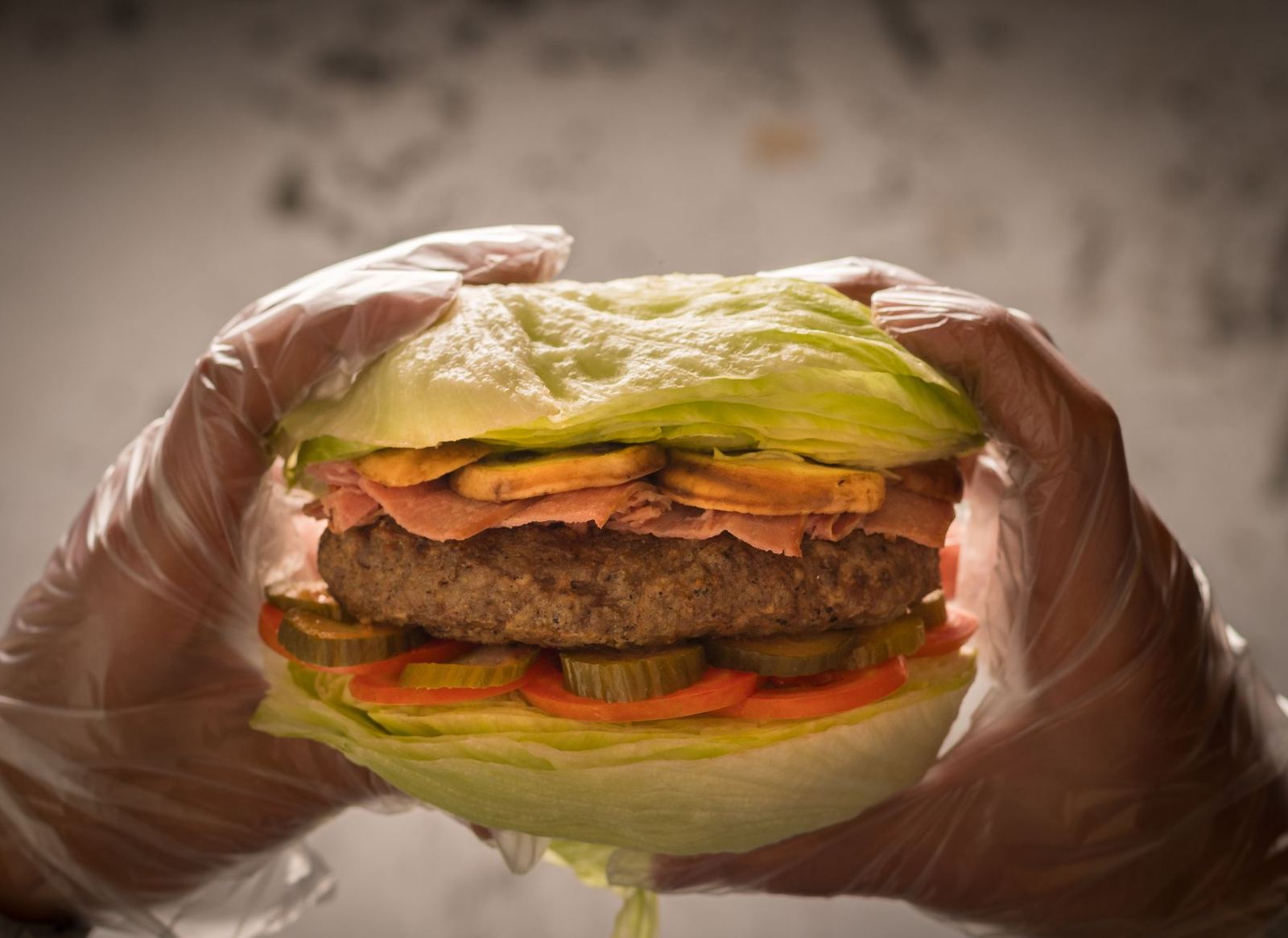
A second Healthline report describes dirty keto as eating highly processed keto-friendly foods, including fast food without the buns or fries, and says it is often derided for its unhealthy approach. The same piece adds that, like dirty keto, lazy keto could be an introductory form of the diet that helps people transition from an old way of eating.
For comparison, Healthline describes the traditional keto diet as comprising no more than 50 grams of carbs per day, a moderate protein intake of 15-20% of daily calories, and a high fat intake of at least 75% of daily calories. Dirty keto borrows the carbohydrate cap and often the high-fat pattern, but not the emphasis on whole foods that the description of clean keto adds. In effect it is traditional keto with the quality filter removed.
What a dirty keto day can look like
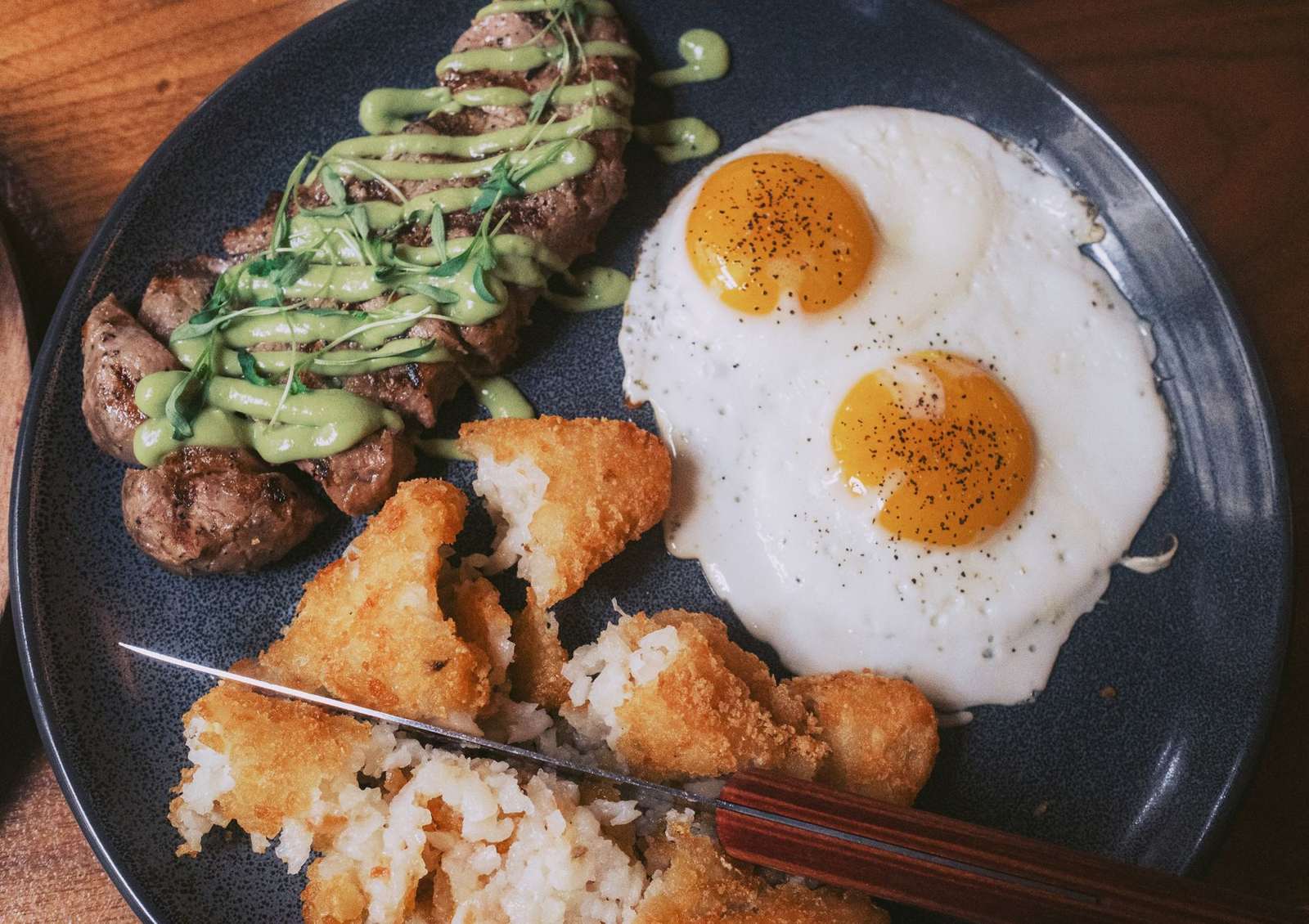
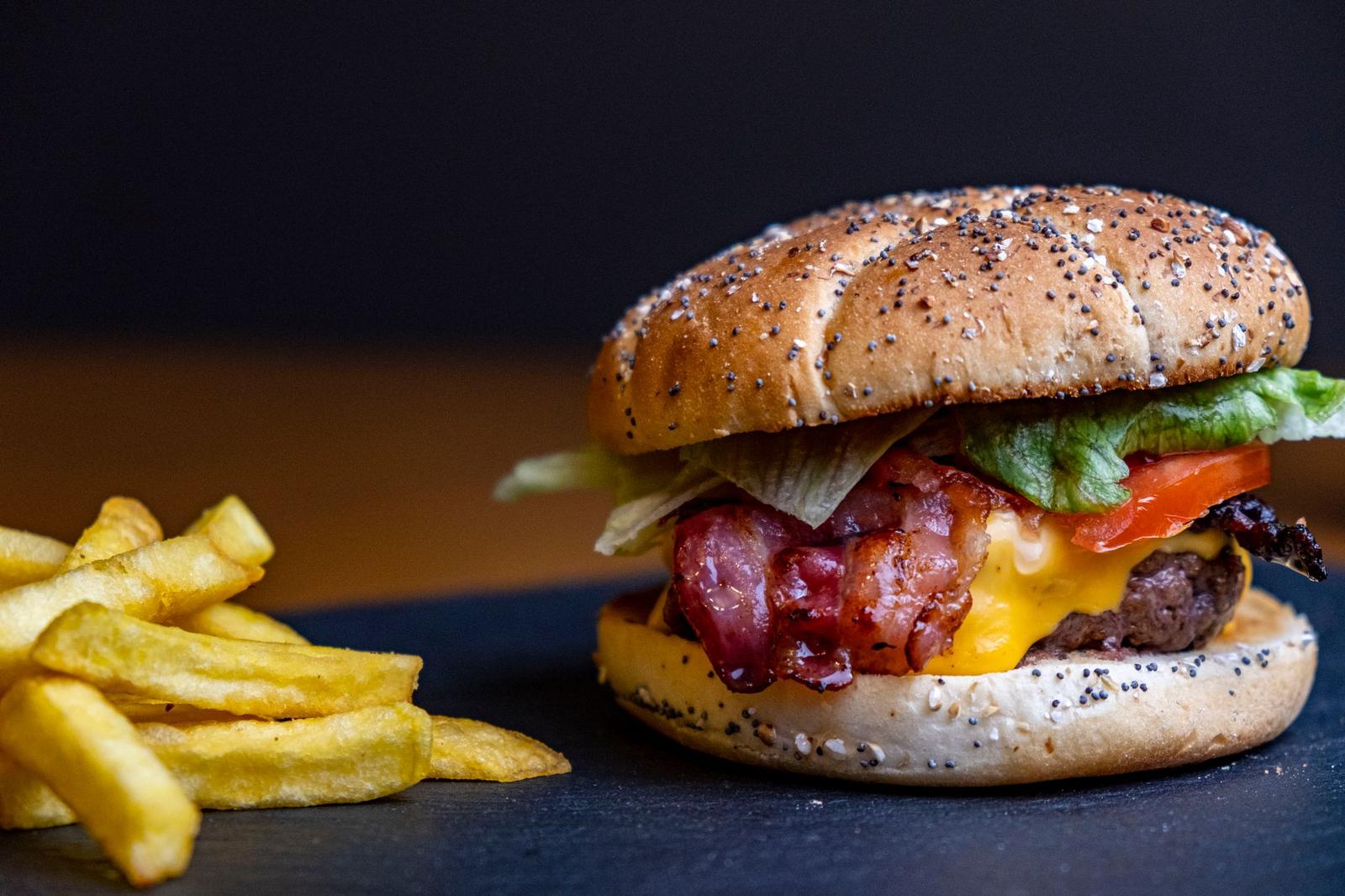
The Healthline comparison gives one example: someone on dirty keto might order a double bacon cheeseburger without the bun instead of making a grass-fed steak with a low-carb salad. Both fit a low-carbohydrate limit, but they differ sharply in what else they deliver.
The comparison also notes that people on dirty keto may eat very few vegetables at all. That matters because Harvard Health’s keto food list is built around leafy greens, cauliflower, broccoli and similar vegetables that supply fiber and micronutrients, along with healthy unsaturated fats such as nuts, seeds, avocados and olive oil.
The rules about carbohydrate still apply. Cleveland Clinic gives the standard keto split as 70% to 80% fat, 10% to 20% protein and 5% to 10% carbohydrate, and Harvard Health gives the carbohydrate limit as fewer than 20 to 50 grams per day. Dirty keto follows those numbers while ignoring what the calories are made of. Labels still need checking, because the Atkins rules warn that zero carbs on a label does not mean free of carbs: manufacturers may round off a product with fewer than 0.5 grams of a carbohydrate, so it shows up as zero.
Why it is debated
Supporters point to practicality. According to Healthline, one can technically attain ketosis and gain some of the keto diet’s benefits this way. For a person with no time to cook, a plan that allows convenience foods may be the difference between trying keto and not trying it at all.
Critics point to the cost. The same Healthline article says that approach may mean missing out on several key nutrients and an increased risk of disease, and concludes that, generally speaking, it is best to avoid dirty keto because of its adverse long-term health effects. The comparison with a quality-focused version, often called clean keto, is the center of the debate. Clean keto, it says, also minimizes processed food intake, though it can still be eaten in moderation.
Context helps. A dietitian quoted by Healthline says the quality of food is just as important as measuring macronutrients, a view that applies to every version of the diet. Where a person falls between strict and loose rules is partly a question of how long they plan to stay on it, as the guide to the keto induction phase explains for the first weeks.
Nutrition, sodium and heart concerns
Healthline lists several specific problems. Dirty keto meals are often high in sodium. Processed foods are likely to have far more additives and fewer micronutrients, and the added sugars in many of them may prevent a person from reaching and maintaining ketosis. It adds that choosing processed foods over whole ones may lead to deficiencies in micronutrients such as calcium, magnesium, zinc, folic acid and vitamins C, D and K.
Heart health is the other worry. Harvard Health says the keto diet is associated with an increase in bad LDL cholesterol, and it cites a recommendation to keep saturated fat to no more than 7% of daily calories. A review of ketogenic diets notes that LDL-C can rise, sometimes dramatically. The same review says that foods that typically increase on ketogenic diets, such as red meat, processed meat and saturated fat, are linked to an increased risk of chronic kidney disease, cardiovascular disease, cancer, diabetes and Alzheimer’s disease, whereas intake of protective foods such as vegetables, fruits, legumes and whole grains typically decreases. Those findings concern keto in general, and a version built on processed meat pushes in the same direction.
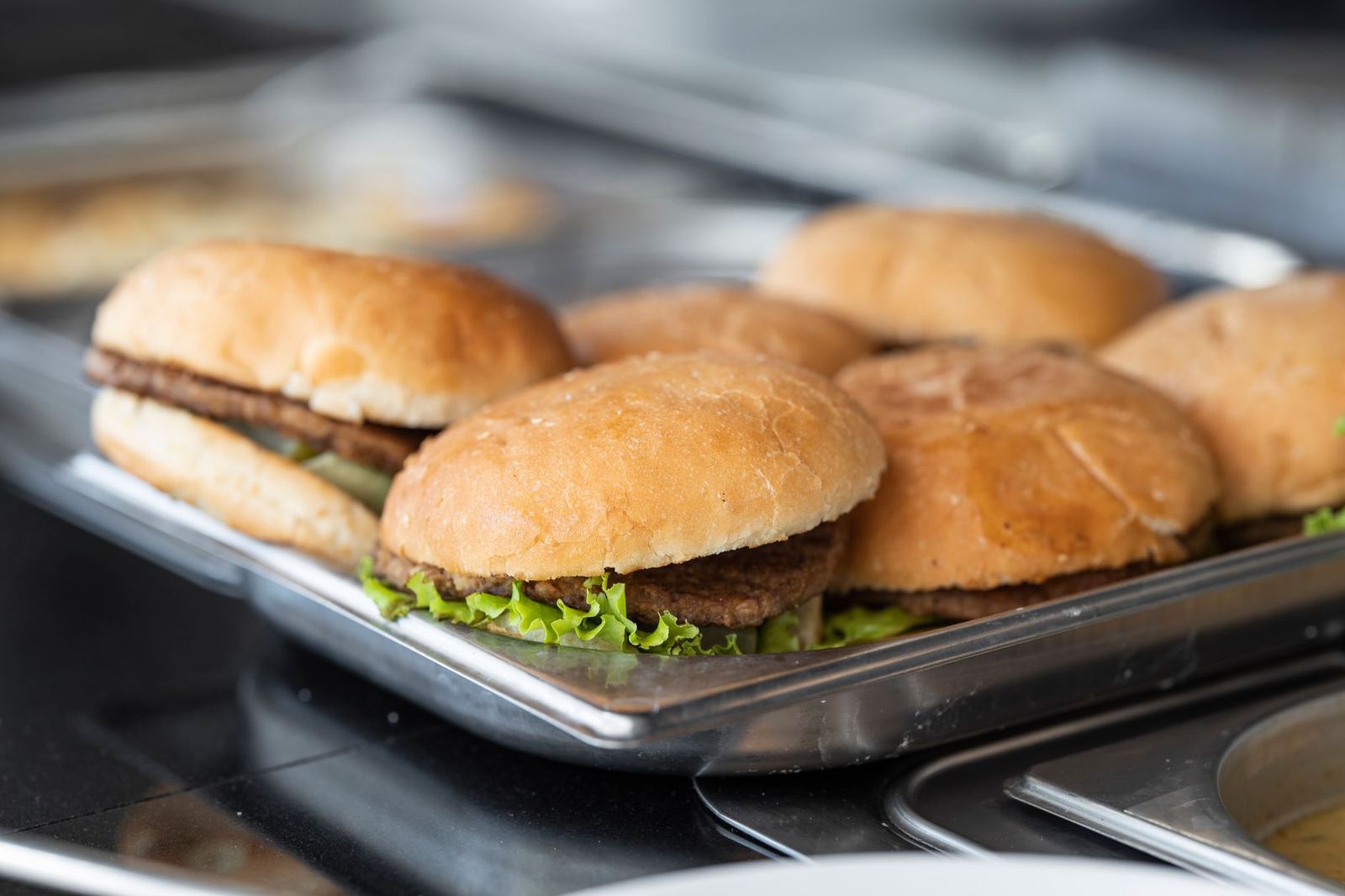
Fiber and digestion are a smaller but common problem. The review says ketogenic diets are typically low in fiber, and Harvard Health lists constipation among the risks because the diet is low in fibrous foods. Packaged keto products rarely fix this on their own.
Cleaning it up without giving up convenience
The two ends are not an either-or choice. A practical middle path keeps the carbohydrate limit and shifts the choices over time: more vegetables from the permitted list, whole-food proteins most days, and packaged items kept for the busy ones. Healthline’s clean keto description is a useful model, since it allows processed foods in moderation instead of banning them.
Eating out is the usual test of that approach. Fast food can be adapted, but the choices still decide the outcome. Meal planning, sodium awareness and a regular source of vegetables do most of the work.
People with diabetes, kidney disease or liver conditions, anyone who is pregnant and anyone on medication should talk to a doctor and a registered dietitian before changing their diet, as Harvard Health advises.
Frequently asked questions
Can you stay in ketosis on dirty keto?
Yes, technically, according to Healthline, though added sugars in processed foods may prevent a person from reaching and maintaining it.
Is dirty keto the same as lazy keto?
Healthline says dirty keto is also called lazy keto, but the two terms are often used for different shortcuts: quality versus tracking.
Why is dirty keto often criticized?
Because processed keto foods are often high in sodium and low in micronutrients, and Healthline concludes it is best to avoid the approach long term.
Does dirty keto change the carb limit?
No. The carbohydrate limit is the same as on any keto plan; only the food choices differ.