The keto induction phase is the first stretch of a ketogenic diet, usually about two weeks, in which carbohydrate is cut sharply so the body shifts to burning fat and begins producing ketones.
This page covers what induction involves, how long ketosis takes, what the first days feel like and how to handle them. The wider context sits in the ketogenic diet guide.
What induction means
The word comes from Atkins-style plans, where the Atkins site calls Induction a brief, jump-start phase that triggers the body to predominantly burn fat. It says Induction lasts 14 days, and that a person can begin Atkins at any of the four phases, so starting with induction is a choice rather than a requirement.
Cleveland Clinic describes ketosis as the state in which the body burns fat for energy instead of glucose, and induction is simply the stretch in which that switch happens.
Atkins says Induction suits people with more than 40 pounds to lose, among other situations, and that people with less to lose, or vegetarians, start in Phase 2 instead. That is one company’s guidance, not a medical rule.
The Atkins pages themselves note that the Induction phase must be followed precisely, which is part of why a person with medical conditions should check with a clinician first.
Carbohydrate targets during induction
The Atkins site allows 20 grams of net carbs a day during Induction, coming primarily from salad and other non-starchy vegetables. Its rules page puts the limit at 20-25 grams a day, with at least 12-15 grams of that from salad greens and other vegetables. Harvard Health describes keto more generally as fewer than 20 to 50 grams of carbs per day.
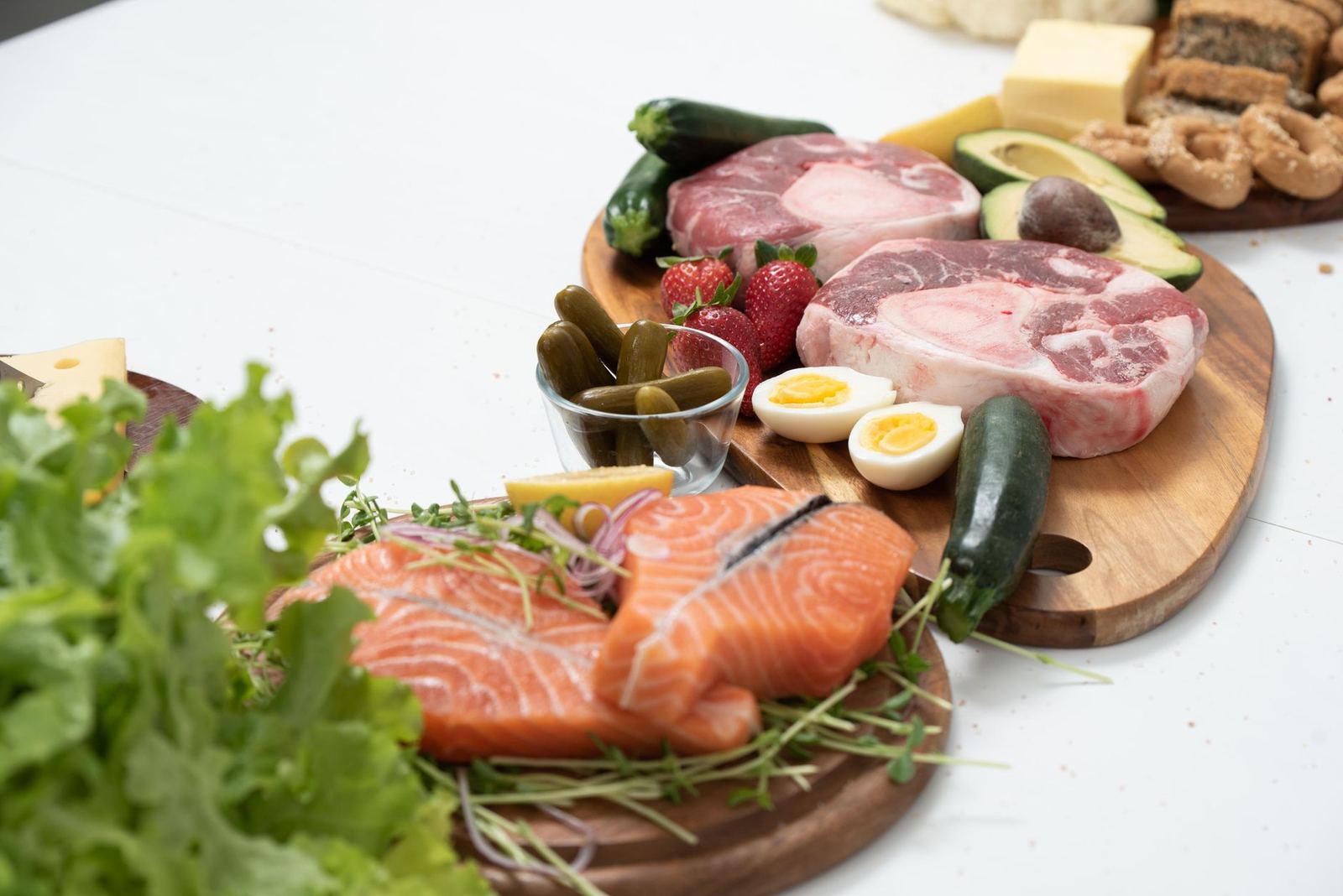
The same rules page lays out what to leave out in the opening stretch: no nuts or seeds in the first two weeks, along with fruit, bread, pasta, grains and starchy vegetables. Planning meals around allowed foods avoids small slips. Harvard Health puts the cost of a slip in perspective by noting that a medium-sized banana has about 27 grams of carbs, while a cup of chopped broccoli has about six carbs. The question of where the line sits for different people is explored in the page on the daily carb limit for ketosis.
Protein and fat are set out too. During Induction the Atkins rules aim for at least three 4-6 ounce servings of protein each day in the form of poultry, fish, shellfish, eggs and red meat, and allow 3 tablespoons daily of pure, natural fat such as butter, mayonnaise and olive oil. That is a protein-forward design, whereas Cleveland Clinic’s standard keto split puts fat first, so a reader choosing a plan should decide which pattern they are following.
Because every gram counts at these limits, keeping a simple record of what was eaten each day makes it easier to see where carbohydrate crept in, and to adjust the next day without guessing.
Labels hide carbohydrate too. The Atkins rules warn that zero carbs on a label does not mean free of carbs, because manufacturers may round off a product with fewer than 0.5 grams of a carbohydrate, so it shows up as zero.
How long ketosis takes
Different sources give different timing. Harvard Health says it typically takes a few days to reach a state of ketosis. Cleveland Clinic says that at 20 to 50 grams of carbohydrate a day it will usually take two to four days, and it may take a week or longer. The Atkins rules page says that maintaining its induction level for at least two to three days leads to ketosis, and elsewhere Atkins says the fat-burning shift takes about 48 hours.
The spread is real. Cleveland Clinic lists age, carbohydrate, fat and protein intake, activity level, metabolism, sleep and stress as factors, and notes that a person who ate a high-carb diet beforehand may take longer, because the body needs to exhaust its glucose stores first. Cleveland Clinic also says intermittent fasting may help a person get into ketosis faster, a pairing covered separately.
Protein is one more variable. Harvard Health notes that eating too much protein can interfere with ketosis, so induction plans keep it moderate. Cleveland Clinic gives the standard split as 70% to 80% fat, 10% to 20% protein and 5% to 10% carbohydrate.
What the first days can feel like
Atkins says a person may feel hungry or out of sorts for the first few days until fat-burning energy kicks in. A review of ketogenic diets describes a temporary cluster of symptoms often called the keto flu: headache, fatigue, nausea, dizziness and brain fog, along with gastrointestinal discomfort. Cleveland Clinic lists upset stomach, headache and fatigue.
Harvard Health adds that low-carb diets may cause confusion and irritability, and that anyone not eating a wide variety of vegetables, fruits and grains may be at risk for micronutrient deficiencies. Its list of permitted vegetables, including leafy greens, cauliflower, broccoli, Brussels sprouts and asparagus, gives the opening weeks some variety to work with, so they need not repeat the same two or three items every day.
The Atkins rules add a practical note: the initial loss of water weight is typical during Induction, but it can lead to lightheadedness and low energy. They advise drinking at least eight 8-ounce glasses of water each day to avoid constipation and electrolyte imbalance, which echoes Harvard Health‘s observation that the diet is low in fibrous foods like grains and legumes.
The rules also advise against skipping meals or going more than six waking hours without eating, with three regular meals or four to five smaller ones. That is advice from one brand’s plan and not a universal rule, so it is worth treating as one approach among several. A person who also wants to try timed eating can read about intermittent fasting alongside keto in a separate page, and the dirtier shortcuts people take at this stage are explained in what is dirty keto.
Checking that it is working
The ketogenic diets review notes that urinary ketone levels are often used as an indicator of dietary adherence. Strips and meters are one option, and the signs people notice by themselves are covered in separate pages.
People with diabetes, kidney disease or liver conditions, anyone who is pregnant and anyone on medication should talk to a doctor and a registered dietitian before attempting a ketogenic diet, as Harvard Health advises.
Frequently asked questions
How long does the induction phase last?
The Atkins site says its Induction phase lasts 14 days.
Can ketosis start in two days?
For some people. Atkins mentions about 48 hours for the shift to begin, while Cleveland Clinic says two to four days at 20 to 50 grams a day, and sometimes a week or longer.
Why do I feel tired in the first days?
Fatigue, headache and dizziness are common keto flu symptoms, and the Atkins rules link water weight loss to lightheadedness.
Does induction need to be strict?
That depends on the plan. Atkins says Induction must be followed precisely, while other keto plans set looser ceilings.
What is eaten during induction?
Atkins says salad and other non-starchy vegetables are the main source of carbohydrate, with poultry, fish, shellfish, eggs and red meat for protein.