A keto shopping list centers on meat, fish, healthy oils, avocados and low-carb vegetables, and leaves out grains, sugar and most fruit. The aim is to keep daily carbohydrate under 50 grams, and sometimes as low as 20 grams.
This guide walks through the store by category, with USDA carbohydrate figures for the foods people ask about most. For the full picture of how the diet works, start with the ketogenic diet guide, and for what to expect once the cart is home, see the guide to the signs of ketosis.
The carb math behind the list
Every item on a keto shopping list is chosen against a daily carbohydrate ceiling. Harvard’s Nutrition Source says the ketogenic diet typically reduces total carbohydrate intake to less than 50 grams a day, and that it can be as low as 20 grams a day. For a 2000-calorie diet, it translates the pattern to about 165 grams of fat, 40 grams of carbohydrate and 75 grams of protein.
Cleveland Clinic describes the same split in percentages, so that meals are 60% fat, about 30% protein and about 10% carbohydrate. In practice this means the fat and protein foods in the cart are the foundation, and carbohydrate is the budget that every other item is spent from.
Many shoppers track net carbs, which means total carbohydrate minus fiber. Harvard’s Nutrition Source explains that high-fiber foods do not contain as much digestible carbohydrate, which is the logic behind that subtraction. The pages linked below use net carbs for foods with fiber and total carbs for foods without it.
Harvard’s food lists make the shape of the cart clear. The diet includes a strong emphasis on fats at each meal and snack, most non-starchy vegetables and certain fruits in small portions like berries. It avoids all whole and refined grains and flour products, legumes including beans, lentils and peanuts, and all fruit juices.
A quick example shows how fast the budget goes. A cup of strawberry halves carries 8.63 g of net carbs, and a cup of whole milk carries 11.71 g. Together they come to 20.34 g, which is more than the strictest 20 gram day allows, from two foods that many people would call a light snack. Every other item in the cart has to fit in what is left, which is why the list leans on foods with almost no carbohydrate.
The ceiling a shopper chooses changes what the cart looks like. At the lower end of Harvard’s range, berries are a garnish and milk is a splash, and the cart is mostly protein, fat and leafy vegetables. At the upper end, there is room for a larger portion of berries, a measured serving of nuts and a little more dairy. Neither end is a recommendation, and a dietitian can help set a level that suits a particular person.
This list also differs from standard healthy-eating advice, which is worth knowing before shopping from both. In general guidance, Harvard’s Nutrition Source says to eat a variety of whole grains and to choose whole fruit instead of juice. A ketogenic cart keeps the second piece of advice, since juice is avoided and whole fruit appears only in small portions, and sets the first aside, since grains are avoided.
| Aisle | Usually fits | Usually skipped |
|---|---|---|
| Meat and fish | Steak, chicken, turkey, salmon, tuna, scallops | Breaded and sweet-glazed products |
| Fats and oils | Avocado, avocado oil, olive oil, coconut oil | Low-fat spreads with added sugar |
| Produce | Broccoli, spinach, kale, tomatoes, cucumbers, berries in small portions | Potatoes, carrots, bananas, fruit juice |
| Pantry | Nuts in measured handfuls | Grains, bread, beans, lentils, honey |
The aisle groupings follow the food lists published by Harvard’s Nutrition Source and Cleveland Clinic.
Meat, fish, avocado and oils
Cleveland Clinic’s list of proteins to eat includes meats such as steak, ham, turkey and chicken, and fish like salmon, tuna and scallops. Its list of fats includes avocados and avocado oil, along with other healthy oils such as extra virgin olive oil and coconut oil. These foods carry the fat that the diet leans on, and none of them is a major source of carbohydrate.
Harvard’s Nutrition Source notes that unsaturated fats are predominantly found in foods from plants, such as vegetable oils, nuts and seeds, and names olive, peanut and canola oils, avocados, and nuts such as almonds, hazelnuts and pecans among the sources. It also says an excellent way to get omega-3 fats is eating fish two to three times a week. Reading labels on oils matters too, since Harvard describes trans fats as the worst type of fat for the heart and blood vessels, and these are made by heating liquid vegetable oils.
MCT oil is a separate product from the cooking oils above, sold as a concentrated supplement. Its uses, and what it can and cannot do, are covered in the guide to mct oil for keto.
Vegetables and nuts
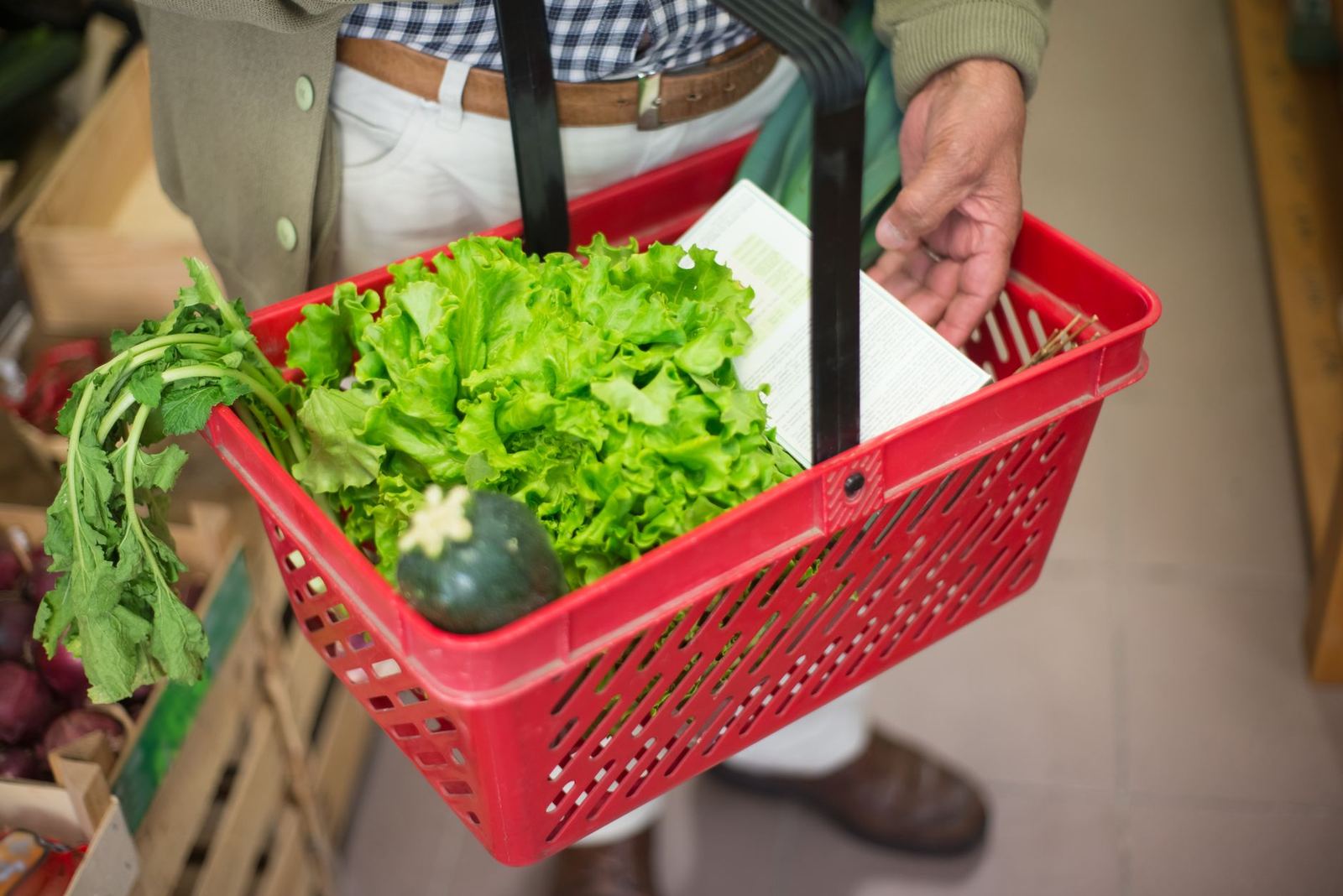
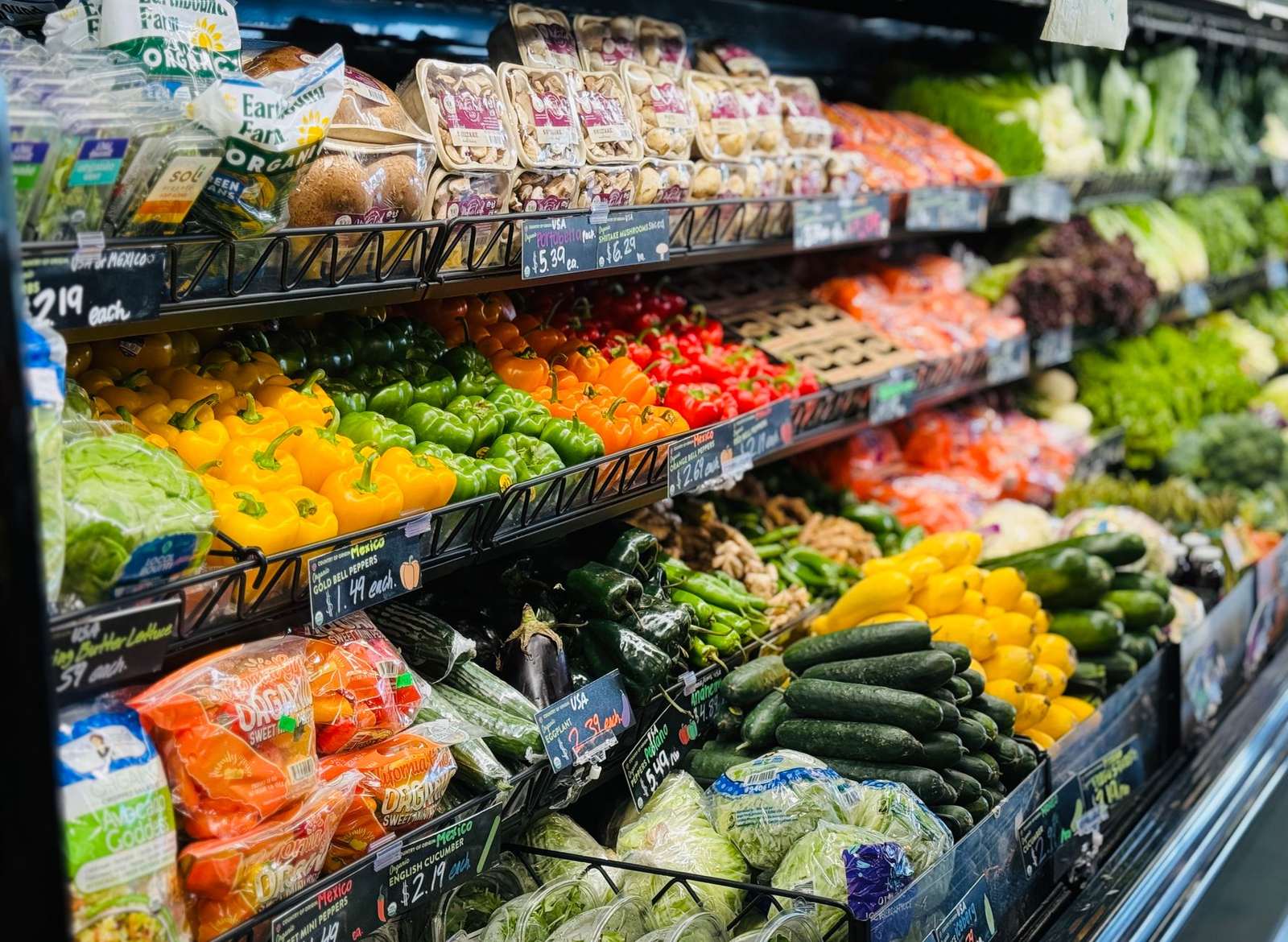
Cleveland Clinic’s low-carb vegetables include broccoli, spinach, kale, tomatoes and cucumbers, while potatoes and carrots are listed among the high-carb vegetables that are out. Harvard’s Nutrition Source says most non-starchy vegetables are included in the diet. A cart weighted toward leafy greens and other non-starchy vegetables supplies fiber and variety without using much of the daily budget.
Variety matters because the diet removes whole food groups. Harvard warns that possible nutrient deficiencies may arise if a variety of the recommended foods on the ketogenic diet are not included, and it notes that assistance from a registered dietitian may be beneficial. Buying several colors of vegetables each week is a simple way to widen the cart.
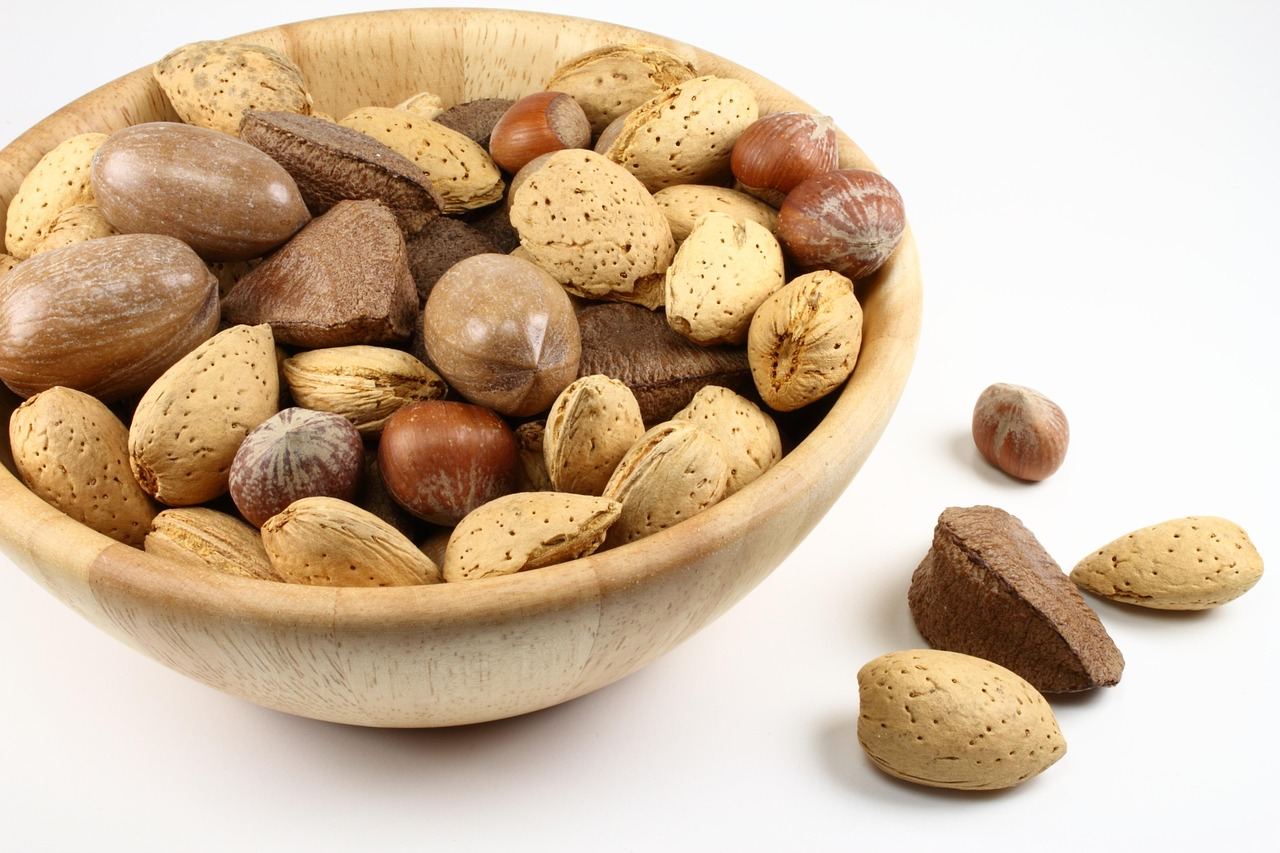
Nuts fill the snack shelf. Harvard’s Nutrition Source calls nuts excellent sources of healthy fat, protein and other healthful nutrients, and they also contain fiber. It defines a handful as 28 grams, or one ounce, and warns that at an average of 185 calories per ounce, a handful of walnuts a day could add 10 pounds or more in a year. Harvard’s page on nuts adds that eating a diet that includes one ounce of nuts daily can reduce your risk of heart disease, and it cites four to seven servings per week of nuts of any type. Because the calories add up quickly, the safe habit is to measure a handful rather than eat from the bag. The carbohydrate counts for each type are in the guide to the best nuts for keto.
Fruit, dairy and drinks: where portions decide
Fruit is the aisle where shoppers most often guess wrong. Harvard’s list includes berries in small portions and excludes all fruit juices. Cleveland Clinic says you will even need to cut back on fruit because of the sugars it can carry.
Strawberries are the usual example of fruit that fits. USDA lists raw strawberries at 7.68 g of carbohydrate and 2.0 g of fiber per 100 g, which is 5.68 g of net carbs, and the portion math is in the guide on are strawberries keto friendly.
Bananas are the usual example of fruit that does not. USDA lists raw bananas at 22.84 g of carbohydrate and 2.6 g of fiber per 100 g, or 20.24 g of net carbs for the same weight, and the full comparison is in the guide on are bananas keto friendly.
Dairy needs the same attention. A cup of whole milk carries 11.71 g of carbohydrate with no fiber, according to USDA, which is why milk is often treated as an ingredient rather than a drink. Whole, reduced-fat and skim milk are compared in the guide to is milk keto friendly, along with what to look for on a plant milk label.
Drinks deserve their own pass down the aisle, because liquid carbohydrate is easy to overlook. Cleveland Clinic lists alcohol, sugar and sugar drinks among the things that are out, and Harvard’s Nutrition Source lists all fruit juices among the foods to avoid. On the added-sugar side, Harvard says sugary drinks are a prime source of extra calories that can contribute to weight gain and provide no nutritional benefits.
Unsweetened drinks leave the whole carbohydrate budget for food. That is the main reason a glass of milk, at 11.71 g of carbohydrate per cup, gets counted like a food, while plain water and other unsweetened drinks do not eat into the daily limit.

Sweeteners, bread and a carbohydrate ladder
The center of the store is where most hidden carbohydrate sits. Honey, syrups and sugar are all sources of added sugar: Harvard’s Nutrition Source says sweeteners that are not technically sugar are in fact forms of added sugar, and it lists honey among the names for added sugar on food labels. USDA lists honey at 82.4 g of carbohydrate per 100 g, and the guide to is honey keto friendly shows what a spoonful costs.
Bread is the other large item. USDA lists commercial white bread at 50.0 g of carbohydrate per 100 g and 100% whole wheat bread at 44.5 g per 100 g. Harvard’s list of foods to avoid includes all whole and refined grains and flour products, which covers both. The comparison with low-carb loaves is in the guide on is bread keto friendly.
Low-carb sweeteners are the usual replacement. Harvard’s Nutrition Source lists sugar alcohols such as sorbitol, xylitol, lactitol, mannitol, erythritol and maltitol, and says they do not promote tooth decay or cause sharp rises in blood glucose. It also says high quantities of certain ones can cause loose stools or diarrhea in some people. The most discussed of them is covered in the guide to erythritol on keto.
Putting the staples side by side shows how wide the range is. Net carbs per 100 g, calculated from the USDA records, run from low to high as follows.
- Raw strawberries: 5.68 g
- Raw bananas: 20.24 g
- 100% whole wheat bread: 38.6 g
- White bread: 47.8 g
- Honey: 82.2 g
Even the lowest item on that ladder is a fruit that has to be portioned, and the highest is nearly all carbohydrate by weight. Everything above them in the cart, the meat, fish, oils and non-starchy vegetables, is the material that makes the budget workable.
Reading labels and planning the trip
A shopping list only works if the labels are read. Check the serving size first, since a small serving can hide a large carbohydrate count. Then compare total carbohydrate with fiber and look for sugar by its other names. Harvard’s Nutrition Source lists honey, maple syrup and corn syrup among the names for added sugar, and says the average American adult, teenager and child consumes about 17 teaspoons of added sugar a day, with less obvious yet significant contributions from breakfast cereals and yogurt.
A reliable routine for any packaged food takes four steps.
- Find the serving size and compare it with the amount that will actually be eaten.
- Read total carbohydrate, then fiber, and subtract fiber to get net carbs.
- Scan the ingredient list for sugar under its other names, including honey and syrups.
- Log the result for the amount eaten, not for the serving on the label.
The routine takes seconds once it becomes habit, and it catches the two most common mistakes: a serving size smaller than the real portion, and sugar that arrives under a name that does not look like sugar.
A sample week shows how the categories combine. Harvard’s Nutrition Source says an excellent way to get omega-3 fats is eating fish two to three times a week, so salmon or tuna can anchor a few dinners. Chicken, turkey or steak can anchor the rest, each served with a low-carb vegetable such as broccoli or spinach and a cooking fat such as olive oil. Breakfast and lunch can reuse the same pieces, and a measured 28 gram handful of nuts or a small portion of berries covers snacks.
The list stays short on purpose. A few reliable proteins, three or four vegetables, two cooking fats and a nut or berry for snacks are enough to build most meals, and the savings in time at the store make the plan easier to keep. Front-of-pack words such as keto or low-carb do not replace reading the nutrition label, because a claim on the front says nothing about the serving size on the back.
A three-pass walk through the store keeps the trip efficient. The first pass covers the meat and fish counters, where the foundation of most meals is picked. The second covers produce, favoring non-starchy vegetables and a small portion of berries. The third covers the pantry and dairy case, where labels do the most work and where the cereal, bread, juice and sweetener aisles can be skipped without a second look, since Harvard’s list of foods to avoid covers grains, legumes and fruit juices.
A weekly plan keeps impulse buys out. Write the meals for the week, convert them into the aisle groups in the table above, and shop the perimeter produce and protein first. Weighing a food once on a kitchen scale, then reusing that weight in a tracker, is more accurate than counting by the piece.
Starting out with a full pantry of familiar foods is harder than clearing it. Harvard notes that following a very high-fat diet may be challenging to maintain, and that available research on the ketogenic diet for weight loss is still limited. Treat the list as a starting template and adjust it with a dietitian rather than as a fixed prescription.

Check with a clinician first
Changing what goes in the cart changes what is eaten every day. Harvard’s Nutrition Source recommends consulting a physician and a dietitian before starting a ketogenic diet, and Cleveland Clinic says it is essential to consult a healthcare provider first. People with diabetes, kidney disease or a pregnancy, and anyone who takes medication, should talk to a clinician before changing how they eat. Harvard also notes that some negative side effects of a long-term ketogenic diet have been suggested, including increased risk of kidney stones. This page is general information and not medical advice.
Frequently asked questions
What are the main foods on a keto shopping list?
Cleveland Clinic lists meats, fish like salmon, tuna and scallops, avocados and avocado oil, extra virgin olive oil and coconut oil, and low-carb vegetables like broccoli, spinach, kale, tomatoes and cucumbers.
Which fruits can go in the cart?
Berries in small portions, according to Harvard’s Nutrition Source. Fruit juices are on its list of foods to avoid.
Do I need to count net carbs?
Many people do. Harvard’s Nutrition Source explains that high-fiber foods do not contain as much digestible carbohydrate, which is the reasoning behind subtracting fiber from total carbohydrate.
How big is a serving of nuts?
Harvard’s Nutrition Source defines a handful of nuts as 28 grams, or one ounce. The same page warns that nuts are calorie dense, so measuring a handful is safer than eating from the bag.
Are legumes and beans allowed?
Not on the list Harvard describes. Harvard’s Nutrition Source says legumes including beans, lentils and peanuts are avoided, and Cleveland Clinic includes beans among the foods that are out.