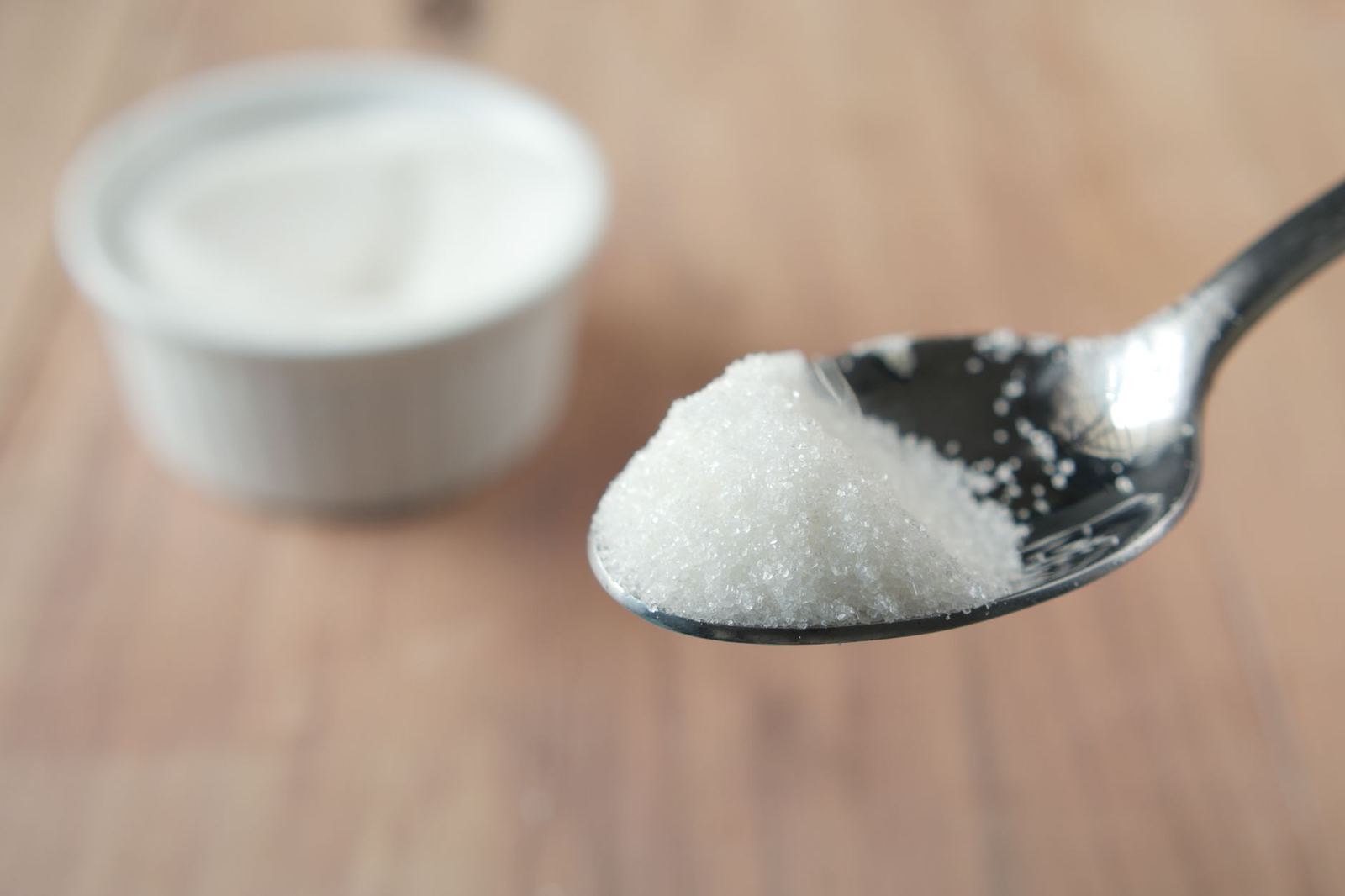
Erythritol on keto is popular because the sugar alcohol is very low in calories and does not cause sharp rises in blood glucose. Newer research links high blood levels to heart-related events, so the question is no longer only about carbs.
This page explains what erythritol is, why keto cooks use it, what the evidence says about digestion and heart health, and how to read labels. Sweeteners are one item on the keto shopping list, and the guidance here helps decide whether to buy them.
Erythritol basics
Cleveland Clinic describes erythritol as a sugar alcohol found naturally in fruits and vegetables, and the body also makes very small quantities of it. The version sold as a sweetener is made industrially and added to foods in far larger amounts than occur in fruit.
Harvard’s Nutrition Source says sugar alcohols as a group have slightly less calories than table sugar. Cleveland Clinic goes further for erythritol and calls it very low in calories, which is why it appears so often in diet foods.
Despite the name, sugar alcohols are neither sugar nor alcohol in the usual sense. They are carbohydrates the body handles differently, which is the reason keto products use them to cut the sugar count of baked goods, chocolate and drinks.
Reasons keto cooks use it
The main attraction is blood sugar. Harvard’s Nutrition Source states that sugar alcohols do not promote tooth decay or cause sharp rises in blood glucose. Because they do not trigger the glucose swings that ordinary sugar does, they are the usual choice for low-carb desserts, sweetened coffee and keto baking.
Taste and texture matter too. Cleveland Clinic notes that sugar alcohols are not as sweet as sugar, so recipes often combine erythritol with another sweetener. Erythritol also adds bulk, which makes it easier to substitute in cakes and cookies than a concentrated sweetener alone.
Those same qualities explain why a food labelled keto can contain it. A bread or bar can be marketed on a low net carbohydrate count while still being a processed product; the page on is bread keto friendly shows how label claims need checking against ingredients.
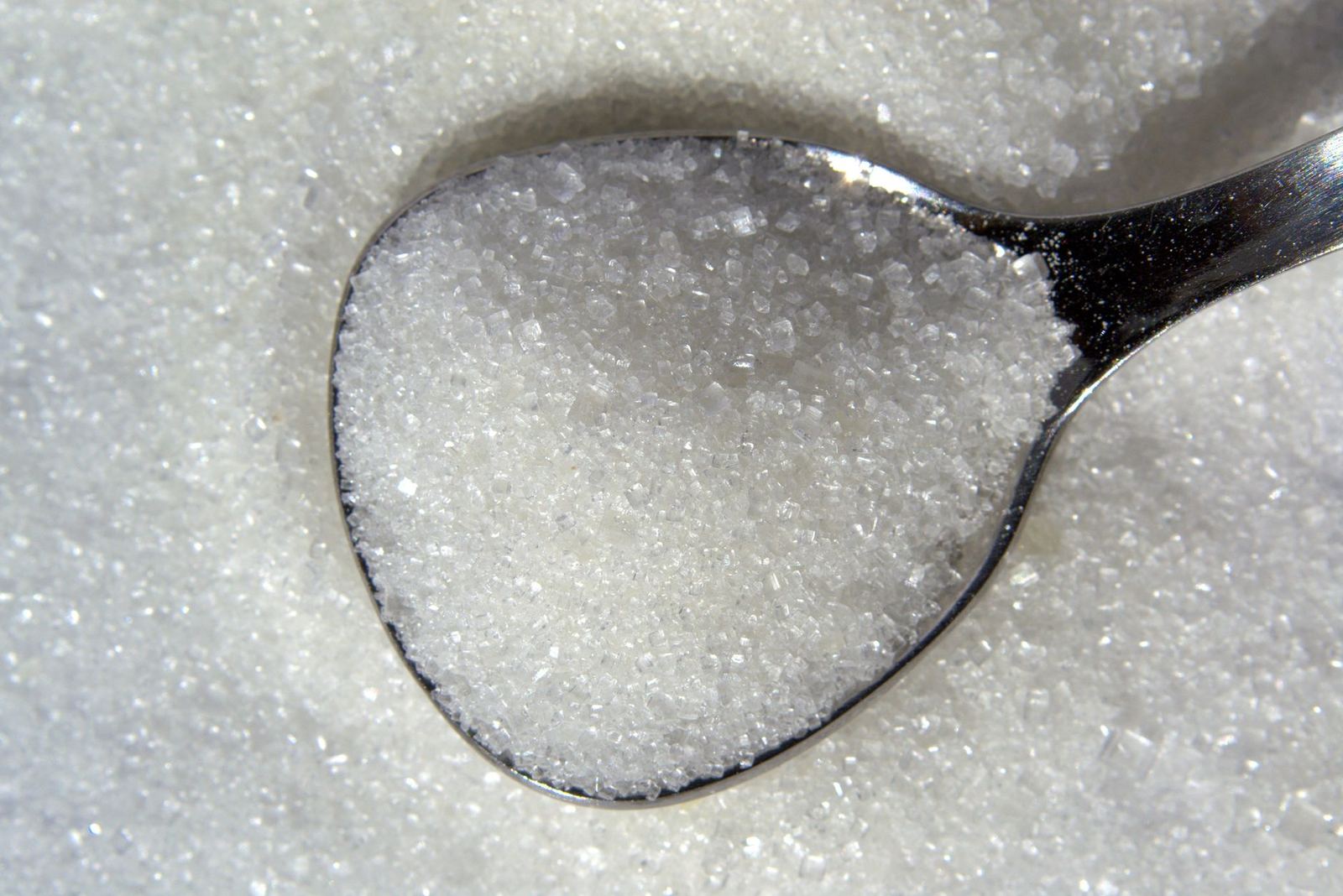
Sweeteners also shape habits. Using a sugar substitute can keep a sweet routine going, such as a dessert after dinner or a sweet coffee each morning, which some people find helpful for sticking with a plan and others find keeps cravings alive. Neither outcome is guaranteed, and it comes down to how the person responds.
Digestive effects
Because erythritol sits in so many products, people often meet it without realising. A protein bar at breakfast, a sugar-free gum and a keto dessert can all contribute, so the total builds up even when no single item seems large.
Sugar alcohols are not always gentle on the gut. Harvard’s Nutrition Source says that in some people, eating high quantities of certain sugar alcohols can cause loose stools or diarrhea. Cleveland Clinic similarly notes that sugar alcohols like erythritol have long been known to cause digestive issues for some people.
The practical lesson is to start with a small amount, especially in packaged foods where the quantity is not obvious. Several sugar-free items eaten close together can add up, and a reaction is more likely when many servings arrive at once.
Heart-health research
Erythritol drew attention when researchers linked it to cardiovascular events. According to Cleveland Clinic, people with high plasma erythritol were about twice as likely to have a major cardiac event over the next three years. Harvard’s Nutrition Source describes the same observational three-year study and says the researchers measured blood levels only once.
A follow-up experiment tested the mechanism. Twenty healthy volunteers consumed water mixed with either 30 g erythritol or glucose, and measures of platelet aggregation showed a striking increase after erythritol. Cleveland Clinic also reports that one serving of a keto-friendly processed food made blood levels of erythritol rise 1,000-fold and that the risk for clotting can be increased for several days.
These results come with limits. The observational data show an association rather than cause, the volunteer study was small and short, and its authors call for further prospective clinical studies to test cardiovascular safety. Harvard’s Nutrition Source likewise says more research is needed on the longer-term use of sugar alcohols.
Anyone with heart disease, diabetes, kidney disease or other risk factors, or who is pregnant or taking medication, should ask a clinician whether erythritol belongs in their diet.
Alternatives and cooking notes
Not every keto recipe needs a sugar alcohol. Many savory dishes need no sweetener, and berries or a little cinnamon can flavor yogurt-style dishes without any processed sweetener at all. In baking, a recipe written for sugar usually needs more than a one-for-one swap, because sweeteners differ in bulk, browning and aftertaste.
When a recipe does call for a sweetener, it helps to taste as you go and add gradually, since sweetness preferences change when sugar is reduced. Many people find that their taste adjusts within a few weeks and that they need less over time. That outcome is one reason to keep sweetened foods as treats rather than the base of the diet.
Commercial keto products deserve the same scrutiny as homemade ones. A low net carbohydrate figure on the front of a pack does not describe the sweeteners, fats or additives behind it, and the ingredient list does.
Reading labels and keeping intake modest
Cleveland Clinic lists the foods where erythritol turns up: sugar-free frozen desserts, candy, gum, baked goods, protein bars, fruit spreads and energy drinks. Packaging claims such as keto-safe or diabetes-safe may signal that a food contains it, so the ingredient list is the thing to read.
A few habits keep intake modest.
- Check ingredient lists for erythritol, especially on products marketed as keto or sugar-free.
- Treat sweetened bars, bakes and drinks as occasional foods rather than staples.
- Use less sweetener overall, which also reduces the habit of expecting very sweet flavors.
- Favor whole foods such as plain meat, eggs, vegetables and nuts, which need no sweetener.
Fat-based keto ingredients are a different matter, and the guide to mct oil for keto covers a popular one.
Frequently asked questions
Does erythritol raise blood sugar?
Harvard’s Nutrition Source says sugar alcohols do not cause sharp rises in blood glucose, which is why they appear in low-carb recipes.
Can erythritol cause diarrhea?
It can in some people. Both Harvard and Cleveland Clinic list loose stools or other digestive issues, particularly with large amounts.
Is erythritol linked to heart problems?
Observational and small experimental studies suggest a link to cardiovascular events and platelet clotting, but researchers say further clinical studies are needed to establish cause.
Where is erythritol hidden?
In sugar-free desserts, candy, gum, baked goods and protein bars, often under keto labels. Reading the ingredient list is the reliable check.