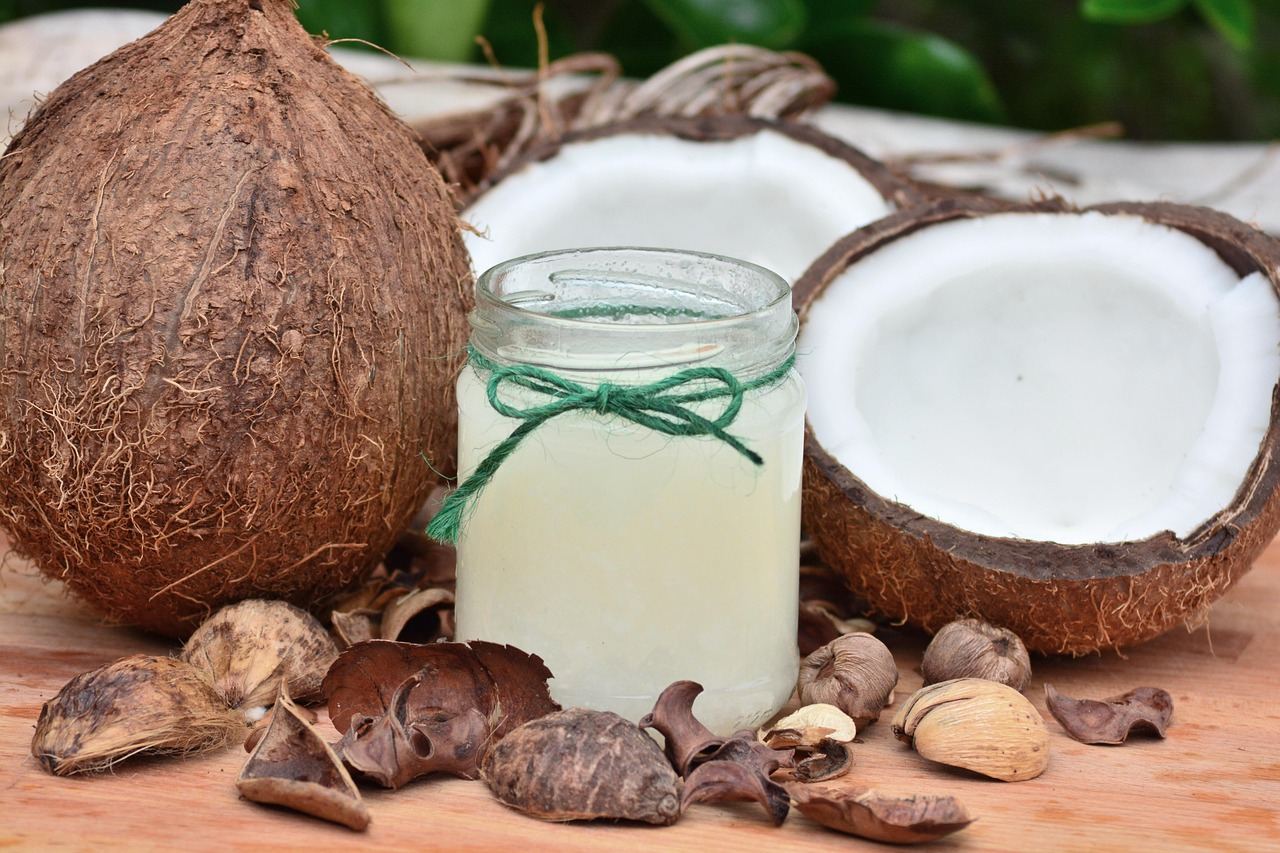
MCT oil for keto is a concentrated fat made of medium-chain triglycerides, usually distilled from coconut or palm kernel oil, and people add it to coffee, shakes and dressings because it contains no carbohydrate to push them out of ketosis.
It is one of several pantry staples covered in the keto shopping list, which shows where an oil like this sits next to other low-carb basics.
MCT oil explained
MCT stands for medium-chain triglycerides. Triglycerides are the main form of dietary fat, and the “chain” in the name refers to the length of the fatty acids they carry. According to Cleveland Clinic, MCTs have chains of six to 12 carbon molecules, while long-chain triglycerides have more than 12. The same page describes MCT oil as a dietary supplement often distilled from coconut oil, and says MCT powders are made from MCT oil combined with dairy proteins, carbohydrates, fillers and sweeteners.
That last point matters for anyone counting carbohydrates. The oil itself is a pure fat, but a powder is a manufactured mix, so its label deserves a careful read before it goes into a low-carb routine.
Chain length is the whole story. Because MCTs are shorter, Cleveland Clinic notes they travel straight to the liver through the bloodstream and are converted into usable energy there. Longer chains need an extra step through the lymphatic system. A research paper on this topic in Frontiers in Nutrition gives the same picture: medium-chain fatty acids are more rapidly metabolized than long-chain ones, so they are ketogenic.
MCT oil and ketosis
Ketones are produced by the liver during fasting or dietary carbohydrate restriction, as the Frontiers in Nutrition paper explains. The same paper adds that one way to raise plasma ketones is to ingest MCTs, which supply medium-chain fatty acids. That is the reason MCT oil became popular with people eating very few carbohydrates: it can add to the ketones the body already makes, and it does so without supplying sugar.
Cleveland Clinic traces the interest back further. It says use of MCTs for health reasons goes back to the 1920s, when doctors introduced the ketogenic diet as a way to manage epilepsy in children, and that the product later grew mainstream as the keto diet became popular.
Not every MCT behaves the same way, though. In the Frontiers in Nutrition study, healthy adults took 20 ml doses of different test oils. Its conclusion was that the eight-carbon oil (tricaprylin, often called C8) was about three times more ketogenic than the ten-carbon oil (tricaprin, C10) and about six times more ketogenic than the twelve-carbon oil (trilaurin, C12) under those acute test conditions. Labels that list the mix of C8 and C10 therefore say something real about what a bottle contains.
The same study found a larger ketone response when no meal accompanied the dose. That is a single short-term experiment in healthy volunteers, not a promise about what any particular person will see on a meter.
MCT oil versus coconut oil
The two are often confused because MCT oil is commonly made from coconut. They are not interchangeable. Harvard’s Nutrition Source states that many of the health claims for coconut oil refer to research that used a special formulation made of 100% medium-chain triglycerides, not the commercial coconut oil sold in most supermarkets.
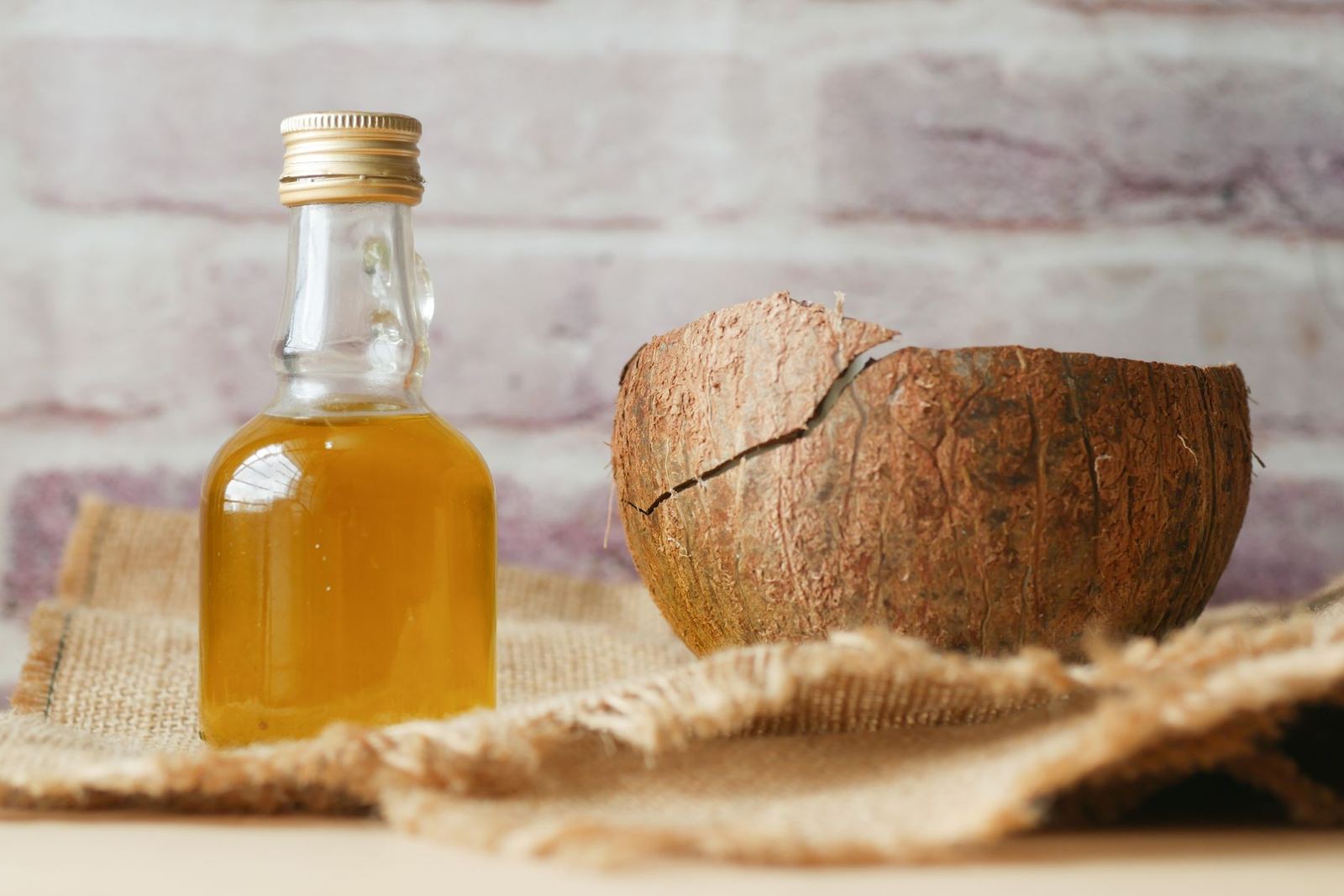
The Harvard Nutrition Source page also says that ordinary coconut oil is mostly lauric acid, at 47%, and that lauric acid is absorbed more slowly and metabolized like other long-chain fatty acids. Its conclusion is that benefits reported from a specially made MCT product cannot be applied directly to commercial coconut oil.
The ketone study above fits that reading. The twelve-carbon oil, which is the main type in coconut oil, produced the weakest response of the three it tested. Anyone shopping for the ketone effect should look for an oil that lists its caprylic (C8) and capric (C10) content rather than assuming a jar of coconut oil does the same job.
How people use it
Cleveland Clinic says MCT oil has the same consistency as other oils, so it can be mixed into dressings, soups or broths, or drizzled over vegetables. Powders work better in protein shakes or smoothies. Common keto uses follow the same logic:
- Blended into coffee or tea in place of cream.
- Whisked into a salad dressing with vinegar and herbs.
- Stirred into soup or broth just before serving.
- Drizzled over cooked vegetables as a finishing oil.
Cleveland Clinic recommends starting small. It describes the oil as safe in small doses for most generally healthy people and warns against chugging it or adding a scoop of powder to everything. Because the oil is a pure fat with no fibre, protein or minerals, it works as a flavourless add-on rather than a food that does anything else for a meal.
Some cooks pair it with other keto staples. Chopped nuts add crunch to a dressed salad, and the guide to the best nuts for keto covers which types keep carbohydrate low. A sweetener can round out a coffee drink, and the page on erythritol on keto explains that option.
Evidence on claimed benefits
Marketing around MCT oil often claims more than the research shows. Cleveland Clinic reports that researchers found MCT oil may promote the release of hormones that signal fullness, which can reduce appetite, and that another study suggested it could promote a small amount of weight loss, though it noted more research is needed. It also says the oil can give a quick burst of energy because it is an easily digested fat.
The same page is blunt about the rest. It lists claims about preventing chronic disease, improving blood sugar and reducing inflammation, and says these theories still require a lot more research. A registered dietitian quoted there says many claims have created a “health halo” around MCTs and that researchers have been unable to provide concrete evidence.
The practical reading is modest. MCT oil is a convenient, carbohydrate-free fat that raises ketones in short experiments, and it is not a proven weight-loss tool or a cure for anything.
Side effects and who should ask first
Cleveland Clinic says large doses of MCT oil or powder may cause abdominal pain, nausea, vomiting and diarrhea, and that long-term use could lead to fat building up in the liver. For that reason, a gradual start with a small amount is the usual advice, and the dose can be raised only if the gut tolerates it.
The dietitian quoted there would not recommend it to someone living with fatty liver or heart disease, because MCTs are still fats, and suggests talking with a healthcare provider before adding MCT to a diet. That advice extends naturally to people with diabetes, kidney disease or pregnancy, and to anyone taking medication: a clinician should be consulted before the diet changes.
It is also worth remembering that MCT oil is a calorie-dense fat. Using it on top of an otherwise unchanged day adds energy rather than replacing it, which matters for anyone watching their weight.
Choosing a product
A few label checks make the buying decision simpler:
- Look for an ingredient list that names the fatty acids, such as caprylic and capric acid, instead of a vague “coconut” label.
- Prefer a plain oil to a powder if carbohydrate counting matters, since powders can contain fillers and sweeteners.
- Check the serving size and the fat per serving, so the oil is counted as part of the daily fat intake.
- Confirm the source: oils are commonly distilled from coconut or palm kernel oil.
The independent nature of this guide means it recommends no brand. Any bottle that matches the points above does the same basic job.
Frequently asked questions
Does MCT oil contain carbohydrate?
MCT oil is a pure fat, so it provides no carbohydrate itself. MCT powders are different: Cleveland Clinic says they combine MCT oil with dairy proteins, carbohydrates, fillers and sweeteners, so the label is worth reading.
Is MCT oil the same as coconut oil?
No. Harvard’s Nutrition Source says commercial coconut oil is mostly lauric acid, which is absorbed more slowly, and that results from specially made MCT products cannot be applied directly to it.
Which type of MCT raises ketones the most?
In a short study of healthy adults, the eight-carbon oil (C8) was about three times more ketogenic than the ten-carbon oil and about six times more than the twelve-carbon oil.
Can MCT oil cause stomach problems?
Cleveland Clinic says large doses may cause abdominal pain, nausea, vomiting and diarrhea, which is why small amounts are advised.