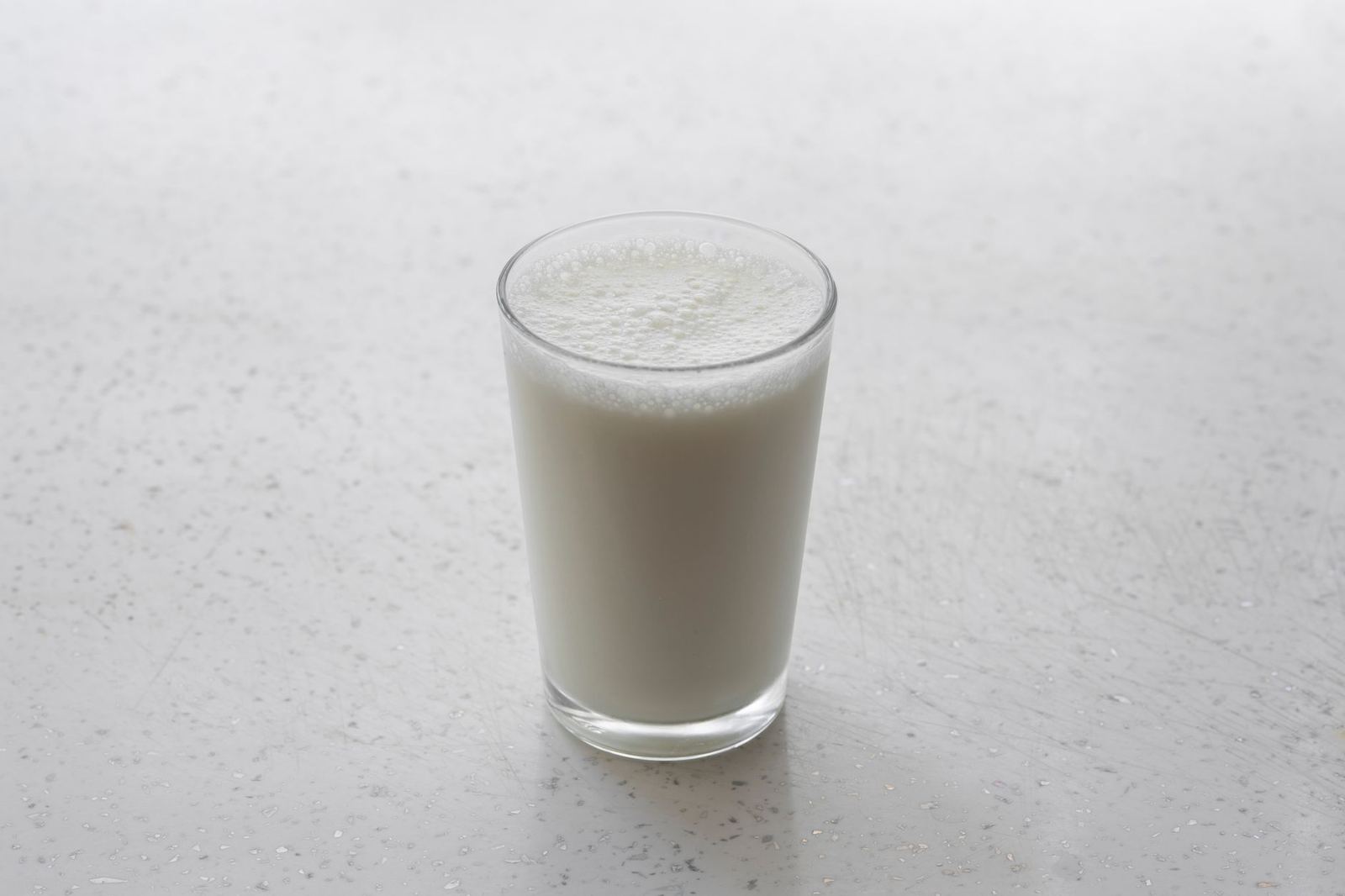
Is milk keto friendly? Only in small amounts: USDA lists whole milk at 4.8 g of carbohydrate per 100 g, which adds up to 11.71 g in a single cup, a large share of a strict daily carb limit.
This guide compares whole, reduced-fat and skim milk by the cup and by the spoonful, then looks at what to check on plant milk labels. Milk is one of the staples reviewed on the keto shopping list, where each food is sorted by how it fits a low-carb plan.
Carbs in milk by type and by cup
USDA FoodData Central lists whole milk (3.25% milkfat) with 4.8 g of carbohydrate per 100 g, 3.15 g of protein and 3.25 g of fat. Reduced-fat milk (2%) has the same 4.8 g of carbohydrate per 100 g, with 3.3 g of protein and 1.98 g of fat. Skim milk is slightly higher at 5.02 g of carbohydrate, with 3.57 g of protein and 0.25 g of fat. All three records show 0.0 g of dietary fiber, so total carbohydrate and net carbohydrate are the same number.
USDA gives the weight of a cup as 244 g for whole and 2% milk and 245 g for skim. Applying the per-100 g values to those weights gives the figures below.
| Milk type | Cup weight | Carbs per cup | Fat per cup |
|---|---|---|---|
| Whole milk | 244 g | 11.71 g | 7.93 g |
| Reduced-fat (2%) milk | 244 g | 11.71 g | 4.83 g |
| Skim milk | 245 g | 12.3 g | 0.61 g |
Per-cup values are calculated from the USDA FoodData Central records for whole milk and skim milk, which supply the nutrient values and cup weights.
Different records for the same type of milk differ slightly. The Foundation Foods whole milk record lists 4.63 g of carbohydrate per 100 g, against 4.8 g in the older record used for the table, so every figure here is an estimate and a brand’s own nutrition label is the final word for a specific carton.
Because the fat in whole milk is higher and the carbohydrate is slightly lower, whole milk is the dairy choice that lines up best with a diet built around fat, and it also has the largest cup-for-cup fat content of the three. Skim milk gives up nearly all of its fat for a slightly higher carbohydrate count.
How a glass of milk fits a daily limit
Harvard’s Nutrition Source says the ketogenic diet typically reduces total carbohydrate intake to less than 50 grams a day, and that it can be as low as 20 grams a day. A cup of whole milk at 11.71 g of carbohydrate therefore takes a large share of a 20 gram day and a smaller but still meaningful share of a 50 gram day.
The carbohydrate in milk is almost entirely sugar. The same Foundation Foods record lists 4.63 g of carbohydrate and 4.81 g of total sugars per 100 g, so there is no fiber to subtract and no starch to ignore. A glass of milk is a simple way to use up a carb budget quickly.
Harvard’s Nutrition Source also describes the diet as a strong emphasis on fats at each meal and snack, and lists all fruit juices among the foods to avoid. A tall glass of milk is not a juice, but it behaves like a small sugary drink in the carbohydrate count, which is why many low-carb eaters treat milk as an ingredient instead of a beverage.
Small splashes versus full glasses
Most of the milk in a low-carb day goes into coffee or tea, where the quantity is small. USDA records a tablespoon of whole milk at 15 g and a fluid ounce at 30.5 g. A tablespoon therefore carries about 0.72 g of carbohydrate, and a fluid ounce about 1.46 g.
Those amounts are small enough to fit most plans, but they add up across the day. Three coffees with two fluid ounces of whole milk each come to about 8.78 g of carbohydrate, which is more than most people realize. Measuring the pour once, then repeating it, is easier than guessing.
Other dairy products have their own numbers and should be checked separately, since cream, cheese, yogurt and milk differ widely in how much carbohydrate they contain.
Plant milks: what to check on the label
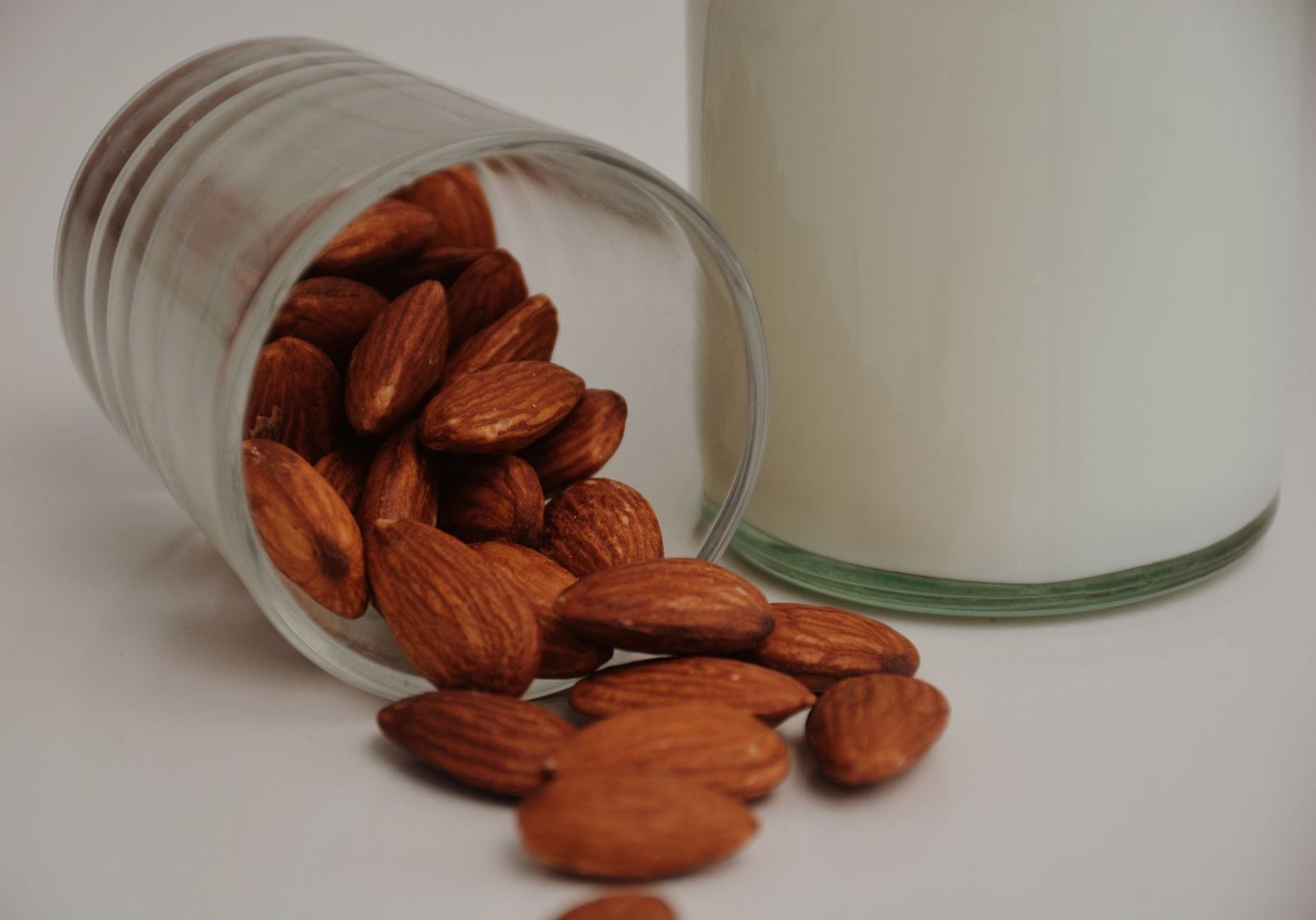
Almond, soy, coconut, oat and other plant milks are different products from the dairy milk in USDA’s records, and their carbohydrate content varies by brand and recipe. Many brands sell both unsweetened and sweetened versions of the same drink, and the sweetened versions add sugar to the total.
Harvard’s Nutrition Source notes that sweeteners such as honey are forms of added sugar, which is a useful frame for reading a plant milk label: any sweetener in the ingredient list is sugar the drink would not otherwise contain. The practical checks are the same for every brand. Look for the word unsweetened, read the carbohydrate line on the label for a single cup, and note whether fiber is listed.
Oat drinks deserve extra attention, since oats are a grain and Harvard’s Nutrition Source lists all whole and refined grains among the foods the diet avoids.
A simple test works for any plant milk: compare the carbohydrate on the label for one cup with the 11.71 g in a cup of whole milk, as listed in the USDA record. If the label is no lower, the plant drink offers no carbohydrate advantage over dairy, and if the label is much lower, the saving is real for that brand only.
Milk alongside other sweet ingredients
Milk often shows up in recipes with other sweet ingredients, and the carbohydrate stacks. A smoothie made with milk and fruit combines the numbers in this guide with those for the fruit; for example, a large banana alone carries 27.52 g of net carbs, as the guide on are bananas keto friendly explains. Warm milk with a spoonful of sweetener has the same problem, and the sugar content of sweeteners such as honey is covered in the guide to is honey keto friendly.
When to talk to a clinician
Swapping milk is a small step inside a larger change in eating. Harvard’s Nutrition Source recommends consulting a physician and a dietitian before starting a ketogenic diet. People with diabetes, kidney disease or a pregnancy, and anyone who takes medication, should talk to a clinician before changing how they eat. This page is general information and not medical advice.
Frequently asked questions
How many carbs are in a cup of milk?
Based on USDA values, a cup of whole milk has 11.71 g of carbohydrate, and a cup of skim milk has 12.3 g.
Is whole milk better than skim on keto?
Whole milk has slightly less carbohydrate per cup and far more fat, with 7.93 g of fat per cup against 0.61 g for skim, according to USDA data. That makes it the closer match for a high-fat diet.
Does milk have fiber?
No. The USDA records list 0.0 g of dietary fiber per 100 g for whole, 2% and skim milk, so net carbs equal total carbs.
How much milk can I put in coffee?
A tablespoon of whole milk carries about 0.72 g of carbohydrate, based on USDA values. Measuring the pour and counting it keeps the daily total accurate.