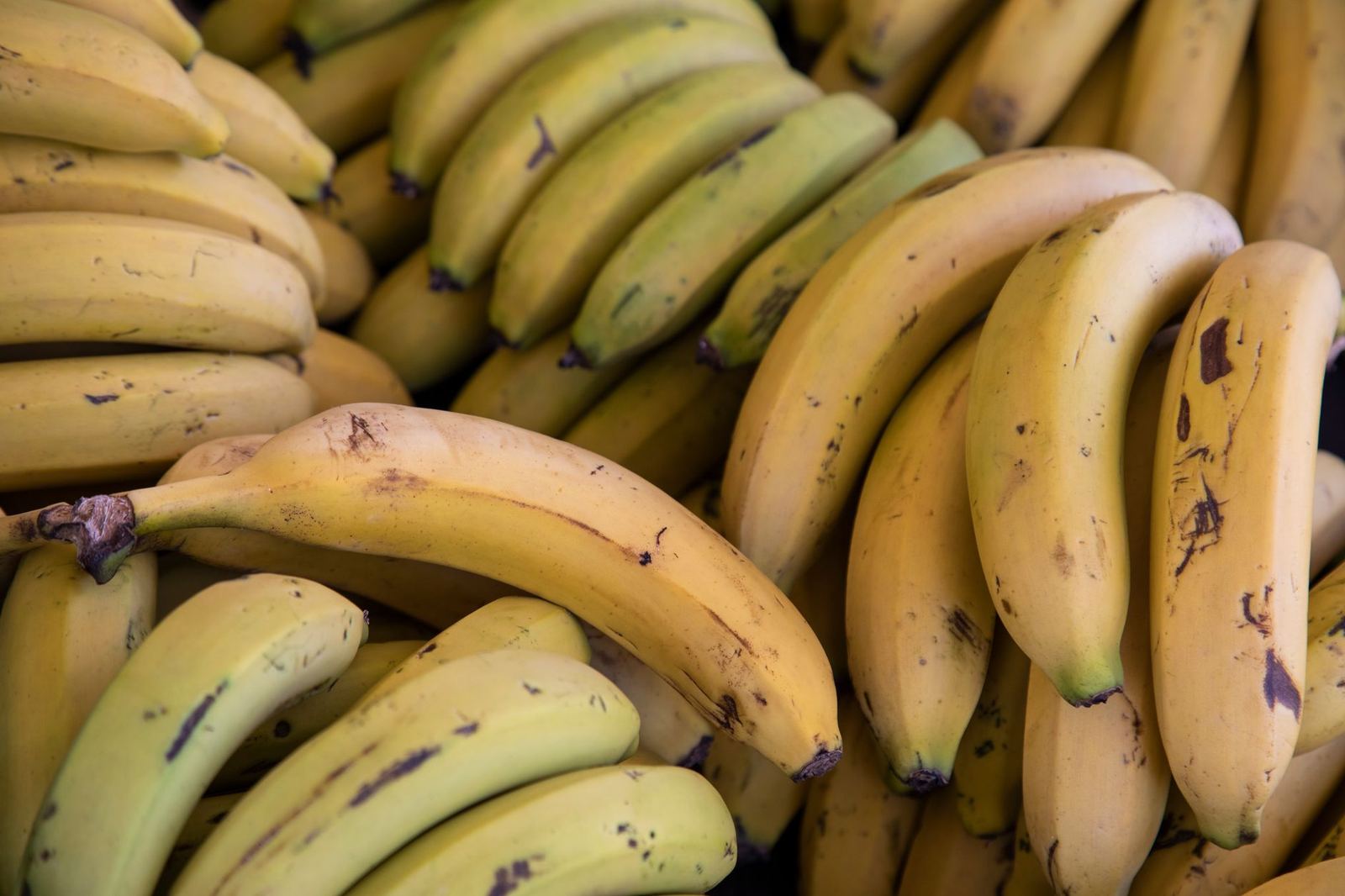
Are bananas keto friendly? Rarely: USDA lists raw bananas at 22.84 g of carbohydrate and 2.6 g of fiber per 100 g, so a single small banana can use up an entire 20 grams daily carb limit.
This guide shows what a banana contains by weight and by size, how that compares with typical ketogenic limits, and which fruit fits better. Bananas are one of the common questions behind the keto shopping list, which sorts everyday foods by how easily they fit a low-carb plan.
Banana carbs by weight and by size
USDA FoodData Central lists raw bananas with 22.84 g of carbohydrate per 100 g, including 2.6 g of dietary fiber. The same record shows 1.09 g of protein and 0.33 g of fat per 100 g. A banana is therefore almost entirely carbohydrate, with very little fat to offset it on a diet built around fat.
Many low-carb trackers count net carbs, which means total carbohydrate minus fiber. Harvard’s Nutrition Source explains that high-fiber foods do not contain as much digestible carbohydrate, which is the logic behind that subtraction. For bananas, 22.84 g minus 2.6 g leaves 20.24 g of net carbs per 100 g.
USDA also records the weight of common banana sizes: a small banana (6 to 6-7/8 inches long) is 101 g, a large one (8 to 8-7/8 inches) is 136 g, and a cup of sliced banana is 150 g. Applying the per-100 g values to those weights gives the table below.
| Serving | Weight | Total carbs | Fiber | Net carbs |
|---|---|---|---|---|
| Small banana | 101 g | 23.07 g | 2.63 g | 20.44 g |
| Large banana | 136 g | 31.06 g | 3.54 g | 27.52 g |
| Sliced banana, per cup | 150 g | 34.26 g | 3.9 g | 30.36 g |
Per-serving values are calculated from the USDA FoodData Central record for raw bananas, which supplies the per-100 g nutrient values and the weight of each size.
How bananas compare with a daily keto limit
Harvard’s Nutrition Source says the ketogenic diet typically reduces total carbohydrate intake to less than 50 grams a day, and that it can be as low as 20 grams a day. Against that range the numbers are stark. A small banana carries 20.44 g of net carbs, which is already more than a 20 gram day allows, and a large one carries 27.52 g.
Fiber does little to rescue the count. Only 2.6 g of the 22.84 g of carbohydrate per 100 g is fiber, so subtracting it removes a small part of the total, and the remaining net carbs are still high.
The same page lists certain fruits in small portions, like berries, among the foods the diet includes, and it lists all fruit juices among the foods to avoid. Bananas are not among the fruits it names. That fits the arithmetic: a fruit that is this dense in carbohydrate leaves little room for vegetables, nuts and dairy in the same day.
A person following a more relaxed limit near the upper end of the range could fit a small portion, such as a few slices, as an occasional choice. Weighing the portion matters here more than with lower-carb fruit, because a whole banana can overshoot the limit in one sitting.
Does ripeness change the carbohydrates?
Ripeness is a common question, since a banana’s taste changes as it ripens. USDA’s Foundation Foods data includes a record for overripe raw bananas, which lists 20.1 g of carbohydrate, 1.7 g of fiber and 15.8 g of total sugars per 100 g. That works out to 18.4 g of net carbs per 100 g.
The overripe sample has somewhat less carbohydrate by weight than the 22.84 g in the standard record, but the two records are separate samples and the difference is modest. The practical conclusion is the same for both: a banana of any ripeness is a high-carbohydrate fruit, and portion size matters more than ripeness for a person counting net carbs.
A banana’s carbohydrate also arrives with little fat or protein to slow a meal down, which is why it sits at the opposite end of the scale from foods such as avocado or nuts.
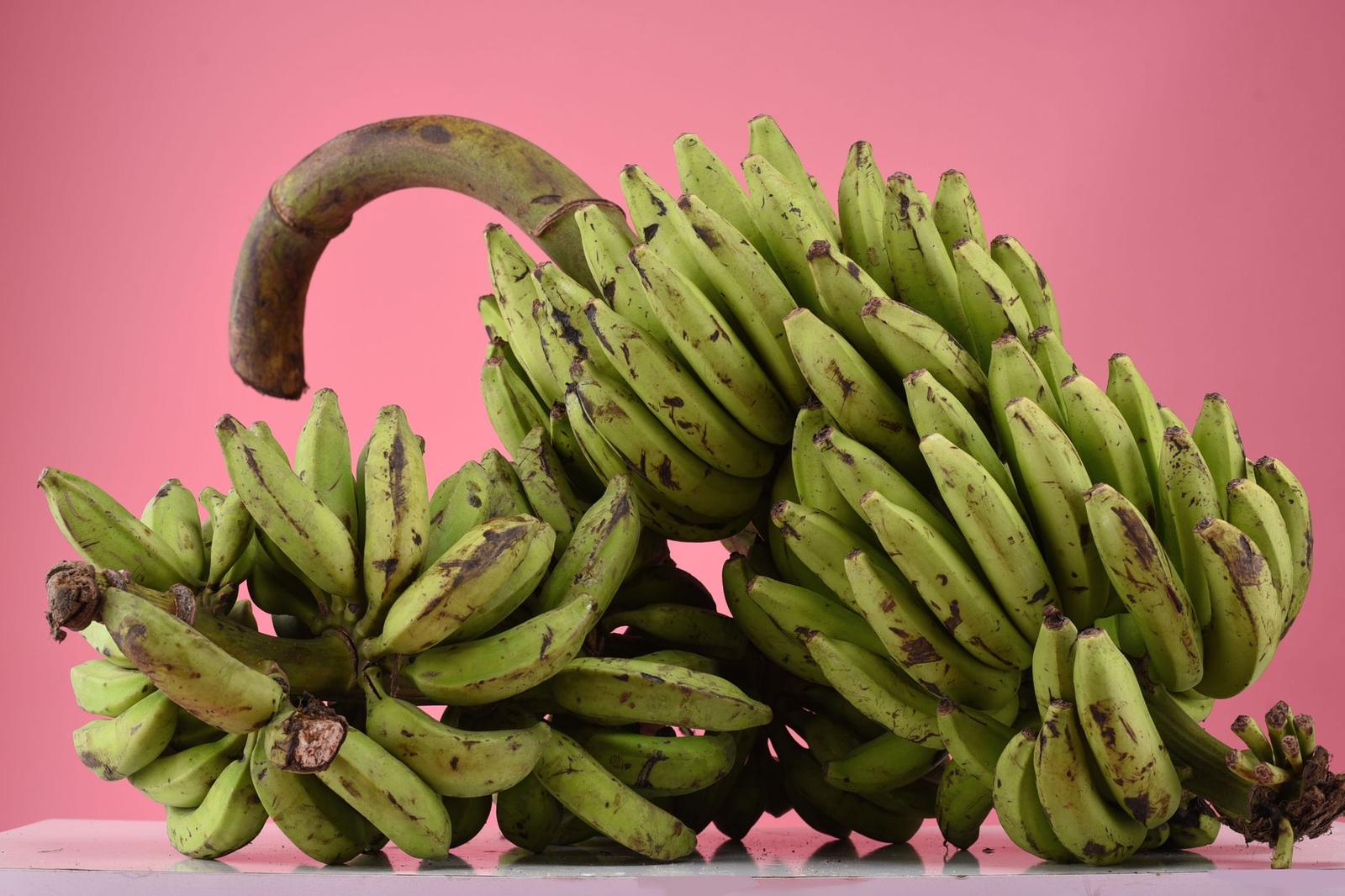
The diet also puts a strong emphasis on fats at each meal and snack, according to Harvard’s Nutrition Source, and a banana holds only 0.33 g of fat per 100 g. It therefore does not match the pattern of a keto snack even before its carbohydrate is counted, which is one more reason most plans leave it out.
Lower-carb fruit that fits better
Strawberries are the usual substitute. USDA lists raw strawberries at 7.68 g of carbohydrate and 2.0 g of fiber per 100 g, which is 5.68 g of net carbs against 20.24 g for the same weight of banana. The full serving breakdown is in the guide on are strawberries keto friendly, and berries are the fruit group Harvard’s Nutrition Source names as fitting in small portions.
Weight for weight, bananas contain far more net carbohydrate than strawberries. A person craving something sweet and fruity gets a much larger portion of berries for the same carbohydrate budget, and the berries can go on unsweetened yogurt or alongside nuts.
Banana flavor without a whole banana
People who miss banana usually miss it in a smoothie, a pancake or a bowl of cereal. A few slices as a garnish deliver the flavor at a fraction of the carbohydrate of a whole fruit, and anything that uses a banana as a sweetener or a binder should be counted by weight rather than by recipe. Smoothies often combine fruit with milk, and milk carries carbohydrate of its own, as covered in the guide to is milk keto friendly.
Packaged banana products such as banana chips, dried banana or sweetened banana-flavored snacks are different foods from the raw fruit in USDA’s record, and added sugar changes the totals. Reading the nutrition label is the reliable check on any packaged version.
When to talk to a clinician
Dropping fruit is one small part of a large dietary change. Harvard’s Nutrition Source recommends consulting a physician and a dietitian before starting a ketogenic diet. People with diabetes, kidney disease or a pregnancy, and anyone who takes medication, should talk to a clinician before changing how they eat. This page is general information and not medical advice.
Frequently asked questions
How many carbs are in one banana?
Based on USDA values, a small banana of 101 g has 23.07 g of total carbohydrate and 20.44 g of net carbs, and a large banana of 136 g has 31.06 g of total carbohydrate and 27.52 g of net carbs.
Can I eat a banana on keto?
It depends on the daily limit. Harvard’s Nutrition Source describes a typical ketogenic intake as under 50 grams of total carbohydrate a day, and a large banana alone carries 27.52 g of net carbs.
Do overripe bananas have fewer carbs?
The USDA record for overripe bananas lists 20.1 g of carbohydrate and 1.7 g of fiber per 100 g, so a little less than the standard record. Both are high enough that the portion still has to be weighed and counted.
What fruit can I eat instead?
Berries are the fruit group Harvard’s Nutrition Source lists as fitting in small portions, and strawberries have 5.68 g of net carbs per 100 g according to USDA data.