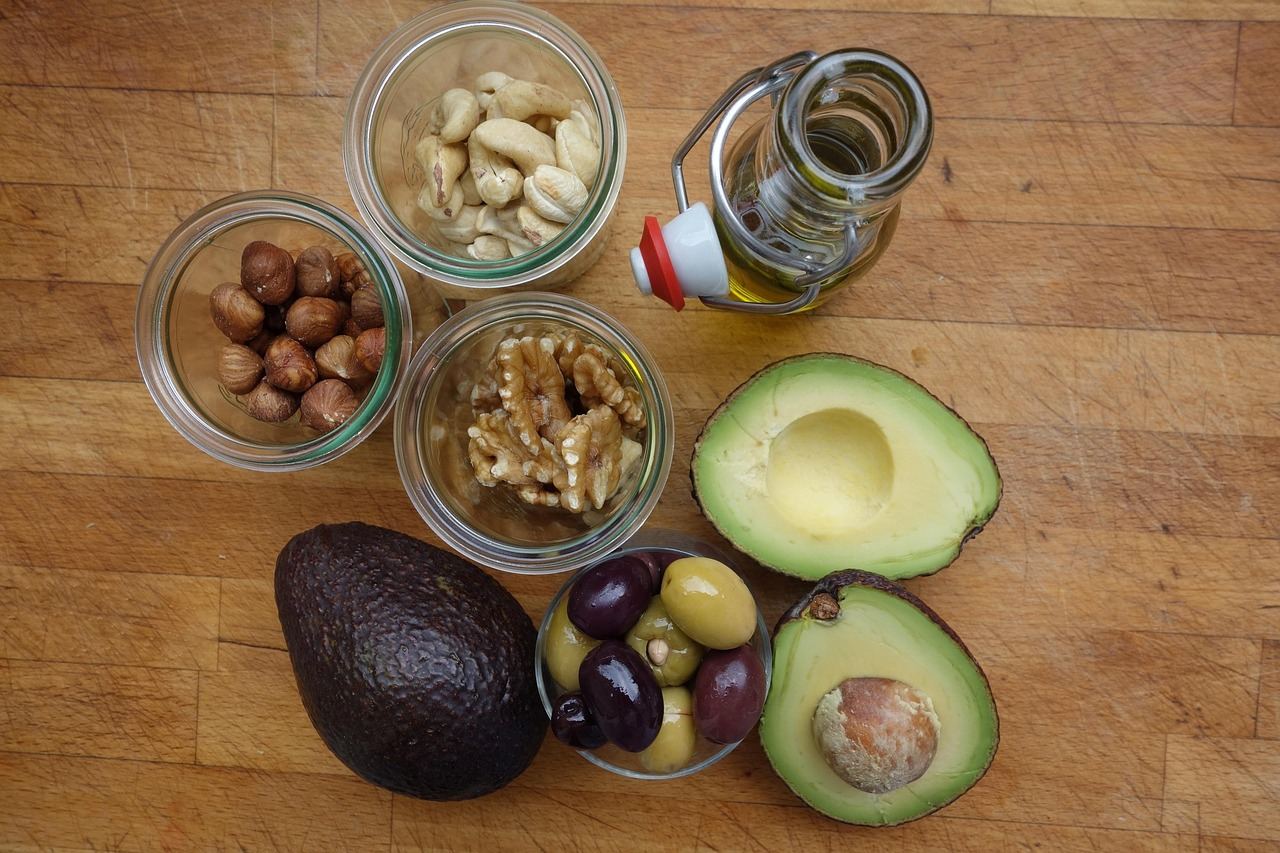
Keto side effects are the short-term and longer-term problems some people notice after cutting carbohydrates sharply, from headaches and fatigue to constipation. Most early symptoms pass, and a few habits can make them milder.
Many of these early symptoms overlap with the signs of ketosis, which the hub page on ketosis covers in more detail.
Why a low-carb switch can feel rough at first
When carbohydrates drop sharply, the body changes which fuel it relies on, and fluid and mineral balance shifts along with it. Cleveland Clinic notes that “eliminating carbohydrates from your diet can lead to dehydration,” which helps explain why so many early complaints trace back to water and salt rather than to the food itself.
A scoping review of symptoms during keto initiation reports that “these symptoms typically occur within 2–3 days of initiating a KD and most, if not all, resolve within 2–4 weeks” (Frontiers in Nutrition review). That timeline matches what clinicians describe, so a rough first fortnight is common rather than a sign that something has gone wrong.
People with diabetes, kidney disease or a pregnancy, and anyone taking prescription medication, should talk to a clinician before changing their diet this much. Cleveland Clinic points out that some medications, including those for blood pressure and diabetes, can make symptoms worse.
The early symptoms people report
Cleveland Clinic lists brain fog, constipation or diarrhea, fatigue, headache, irritability, muscle cramps, nausea, trouble falling asleep and an upset stomach as typical symptoms of the so-called keto flu. It adds that “keto flu is a group of symptoms that can appear anywhere from two to seven days after someone is in ketosis,” and that symptoms “last for as little as two days or as long as a month, but usually somewhere in between” (Cleveland Clinic).
- Headache and brain fog: often linked to low fluid and sodium intake in the first days.
- Fatigue and weaker workouts: energy dips while the body adapts to a new fuel mix.
- Muscle cramps: commonly tied to shifts in sodium, potassium and magnesium.
- Digestive changes: constipation is the most talked-about, though diarrhea also appears.
- Poor sleep and irritability: usually temporary and easing as the first weeks pass.
Not everyone gets all of these, and some people notice very little. How strongly they show up varies with how quickly carbohydrate was cut, how much was eaten before, and how well hydrated the person is.
The symptoms are not a verdict on whether the diet is working. They are simply common enough that planning for them is sensible.
Easing the symptoms: water, salt and minerals
Cleveland Clinic suggests drinking “plenty of plain water or sugar-free electrolyte options” and says “using a little bit of salt in or on your meals (as needed) can also help replace lost sodium.” It describes sodium as helping “your cells maintain the right balance of fluid,” potassium as something that “counterbalances sodium and helps your muscles contract,” and magnesium as something that “helps your cells as they turn nutrients into energy.”

The scoping review is more cautious about the evidence. It says “consumption of electrolytes is heavily encouraged,” but that the suggested extra sodium of about 1–2 g/day rests on clinical experience and mechanistic reasoning rather than trial data, and that there is “no experimental evidence” for liberal fluid intake specifically (Frontiers in Nutrition review). In practice, that means water, salted food and mineral-rich vegetables are common-sense steps, not proven cures.
Cutting carbs gradually and pacing activity
For prevention, Cleveland Clinic recommends “gradually reducing carbs from your diet, rather than eliminating them all at once.” The same page advises good sleep habits while fatigue, cramps and irritability last, and says to “avoid vigorous physical activity” until symptoms settle (Cleveland Clinic).
The scoping review also notes that a fasted start is not required, with the literature broadly agreeing that “a fasted initiation is not necessary.” Easing in with regular meals avoids stacking hunger on top of everything else.
The same review points to a trial in which “satisfactory NK can be achieved with a less restrictive diet while easing some initiation symptoms.” In plain terms, a less abrupt approach may still reach ketosis while sparing some of the early discomfort, which matters for sticking with any eating pattern.
Planning helps too. Stocking salty broth, non-starchy vegetables and simple low-carb meals before the first day means fewer rushed choices when energy is low, and it keeps the first week from turning into a scramble over what to eat.
Constipation and fiber
Fiber-rich foods such as fruit, beans and whole grains are usually restricted on keto, so constipation is a regular complaint. The scoping review states that “a fiber intake of 15–20 g per day in the form of non starchy vegetables, nuts and seeds appears to be sufficient,” while also noting that no study has experimentally shown that more fiber reduces constipation (Frontiers in Nutrition review).
Practical sources of fiber on a low-carb plan include leafy greens, broccoli, cauliflower, chia and flax seeds, and nuts. Keeping fluids up alongside fiber is a sensible pairing, since both matter for regular bowel habits.
Longer-term issues worth knowing about
Some side effects appear later than the keto flu. A systematic review and meta-analysis of people following ketogenic diets estimated “the pooled incidence of kidney stones was 5.9%,” with uric acid stones the most common type, followed by calcium-based stones (kidney stone meta-analysis). Those studies largely involved people on medically supervised ketogenic diets, so the figure does not map neatly onto every home dieter, but it explains why unusual pain, blood in urine or persistent symptoms deserve a clinician’s attention.
Skin changes are another reported issue for a small number of people, and they are covered separately in the guide to keto rash.
Progress can also stall even when symptoms have settled. The article on a keto weight loss plateau explains why that happens and what tends to help.
When to stop self-managing
Mild headaches, cramps and tiredness in the first weeks are one thing. Symptoms that are severe, keep getting worse, or are still there after several weeks are a reason to get medical advice rather than to push through. The same goes for vomiting that will not stop, dizziness, a racing heartbeat, or any symptom that worries the person experiencing it.
It also helps to keep a short note of what was eaten, how much water was drunk and when symptoms appeared. That record makes a conversation with a professional far more useful and shows whether a change in habits is making a difference.
A registered dietitian or doctor can look at medication, hydration and the rest of the diet together, which a general article cannot do.
Frequently asked questions
How long do keto side effects last?
Cleveland Clinic says symptoms last for as little as two days or as long as a month, but usually somewhere in between. The scoping review puts most resolution within 2–4 weeks.
Do electrolyte supplements stop the keto flu?
Electrolytes are widely recommended, and Cleveland Clinic names sodium, potassium and magnesium as key. The scoping review says the advice is based on clinical experience rather than trial evidence, so treat it as a sensible step rather than a guarantee.
Can a gradual start prevent symptoms?
Cleveland Clinic recommends gradually reducing carbs rather than eliminating them all at once as a way to prevent keto flu.
Is constipation avoidable on keto?
Not always. Getting fiber from non-starchy vegetables, nuts and seeds and keeping fluids up are the usual first steps.