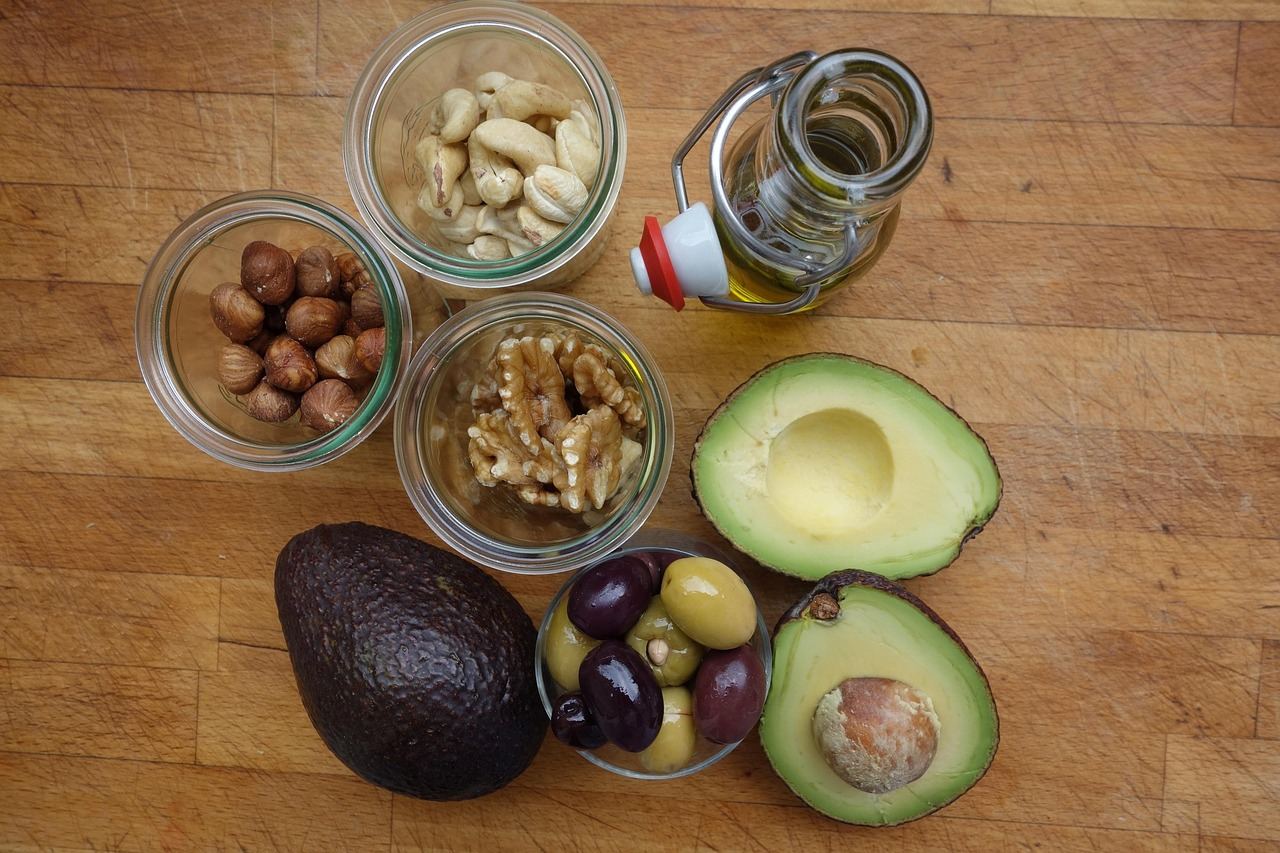
Keto electrolytes are the minerals sodium, potassium and magnesium, which the body can lose in larger amounts in the early weeks of a very low-carbohydrate diet. Food, fluids and medical advice, not guesswork, decide how much is right.
Mineral balance is one thread in the wider picture of the signs of ketosis. This page explains why these minerals matter, where they come from in food and who needs professional advice first.
Why electrolytes come up on a low-carb diet
Electrolytes are minerals that, according to the public-health pages cited below, help nerves, muscles and the heart work. The reason they feature in keto discussions comes from the early phase of the diet. A review of side effects and drug interactions states that this phase may disrupt water and electrolyte balance by increasing the loss of water and electrolytes from the body. The same review describes the adaptation period as producing increased diuresis and loss of electrolytes, meaning that more fluid and minerals leave in the urine.
Many of the common early complaints overlap with the effects of low minerals and low fluid. A clinical review lists headache, dizziness, fatigue and muscle cramps among the symptoms some people experience in the first days of a very low-carbohydrate diet, and it adds that increasing fluid and electrolyte intake on initiation of the diet may alleviate some of these symptoms. That overlap is why mineral intake is discussed whenever people talk about the keto flu symptoms. The same list includes rashes, and a rarer skin condition is described in our piece on keto rash.
It is worth being careful about cause and effect. Cramps and headaches have many causes, and mineral loss is one possible contributor, not a certain one. The sections below describe each mineral in turn, using public health sources, and they avoid promising that any intake will prevent symptoms.
Sodium
MedlinePlus explains that the body uses sodium to control blood pressure and blood volume, and needs it for muscles and nerves to work properly. That is the physiological reason why sodium sits at the centre of the topic.
Official guidance on sodium points mostly toward limits. MedlinePlus states that healthy adults should limit sodium intake to 2,300 mg per day, and that adults with high blood pressure should have no more than 1,500 mg per day. It adds that people with heart failure, liver cirrhosis or kidney disease may need even lower amounts. These limits are written for people on ordinary diets, so whether and how they apply during keto adaptation is a question for a clinician, particularly for anyone with blood pressure, heart or kidney concerns.
Sodium is easy to come by in processed and seasoned foods. MedlinePlus notes that processed meats such as bacon, sausage and ham, along with canned soups and vegetables, contain added sodium, and it lists sauces, garlic salt and bouillon cubes among the items where sodium is added. For a low-carbohydrate eater, that means salt intake can rise or fall depending on how much of the diet comes from packaged foods compared with fresh ones.
Forum users in the keto flu study treated salt as the first thing to try: increasing sodium intake was proposed in 58 posts, electrolyte supplements in 38, broth in 27, magnesium in 25 and potassium in 24. These are popular suggestions and not tested treatments, and they sit awkwardly beside the official limits above, which is a good reason to take advice before adding salt on purpose.
Potassium
MedlinePlus gives an intake guide of 2600 mg a day for adult women and 3400 mg a day for adult men. Potassium supports muscles and the heart, and the same page notes that a low blood level can cause weak muscles and abnormal heart rhythms. Causes of low potassium include taking diuretics, which are water pills used for high blood pressure or heart failure.
For food, MedlinePlus says vegetables and fruit are the richest sources, but it also lists foods that fit a low-carbohydrate pattern: milk, yogurt and nuts are good sources, and all meats and fish such as salmon, cod, flounder and sardines provide some. Which choices suit you depends on your own carbohydrate target, which is a matter for the planning guides on this site.
The safety point is clear on that page. People with kidney problems, particularly those on dialysis, should not eat too many potassium-rich foods. It also says that anyone with kidney disease or other long-term illness should talk to a provider before taking potassium supplements. Some heart and blood pressure medicines, including ACE inhibitors and angiotensin II receptor blockers, can raise potassium in the blood. Potassium is therefore a mineral to approach with professional guidance rather than with a shopping basket full of supplements.

Magnesium
MedlinePlus states that magnesium is needed for more than 300 biochemical reactions in the body. Its intake guide is 400 mg a day at ages 19 to 30 and 420 mg from age 31 for men, and 310 mg and 320 mg for women at the same ages.
The page says that most dietary magnesium comes from dark green leafy vegetables, and it also lists nuts such as almonds and cashews, peas, beans and seeds among the good sources. Several of those foods are staples of low-carbohydrate cooking, though portions and carbohydrate counts differ, so the shopping side is covered in the planning articles.
The same source says it is rare to be truly lacking in magnesium. When shortage does occur, early symptoms include loss of appetite, nausea, vomiting, fatigue and weakness, and moderate shortage can bring numbness, tingling and muscle cramps. Because those symptoms are shared with many other conditions, they are not a way to self-diagnose.
On the other side, MedlinePlus notes that side effects from high magnesium intake are not common, except in people with significantly reduced kidney function, and that excess most often occurs from taking too much in supplement form. As with potassium, kidney function is the main reason to talk to a clinician before supplements.
Who should get advice first
A very low-carbohydrate diet is not suitable for everyone, and the mineral questions are sharper for some people. People with diabetes, kidney disease or on regular medication, and anyone who is pregnant, should talk to a clinician before changing their diet or adding supplements. The review of side effects is specific about three groups. For advanced kidney disease it states that impaired function reduces the ability to maintain electrolyte balance and that ketogenic diets are not recommended in these patients. For people who take diuretics, it warns that starting the diet may potentiate these effects, potentially disrupting water and electrolyte balance. And for people with cardiac arrhythmias it says they should ensure an adequate supply of electrolytes, especially sodium, potassium and magnesium.
What that adds up to is that mineral balance is not a do-it-yourself matter for people in these groups. The right amounts depend on kidney function, medicines and heart health, and a clinician or dietitian is the right person to assess them.
Frequently asked questions
Do I need to take electrolyte supplements on keto?
There is no general answer. Reviews say fluid and electrolyte intake may ease some early symptoms, but the right amount depends on your health and medicines, so ask a clinician before adding supplements.
Can I get enough potassium and magnesium from food?
Many foods contain them. MedlinePlus lists leafy greens, nuts, seeds, dairy, meat and fish among sources, though your carbohydrate target will shape which ones fit.
Why do muscle cramps appear in the first weeks?
Cramps are listed among early symptoms in a clinical review, and low fluid or minerals are one possible contributor. They have other causes too, so persistent or severe cramps deserve medical advice.
Is more salt always better on keto?
No. Official guidance sets limits on sodium for healthy adults and lower limits for some conditions, so extra salt is a decision to make with a clinician when you have blood pressure, heart or kidney concerns.